Words by Terry Stevenson
Images by Steve Green, Don Tustin, Dave Anson & Terry Stevenson collection
Manfeild was designed with a singular, brilliant vision: to let spectators soak up every moment of the action around the entire circuit. It’s a spectator’s dream, yet it very nearly remained just that—a dream. The hurdles were immense, and frankly, they were there for all the wrong reasons.
Rival race track owners cried foul, the banks were skittish about lending the build money, and local residents were up in arms about potential noise, threatening the resource consent. Perhaps most astonishingly, the then NZ Motorsport Association actually turned them down!
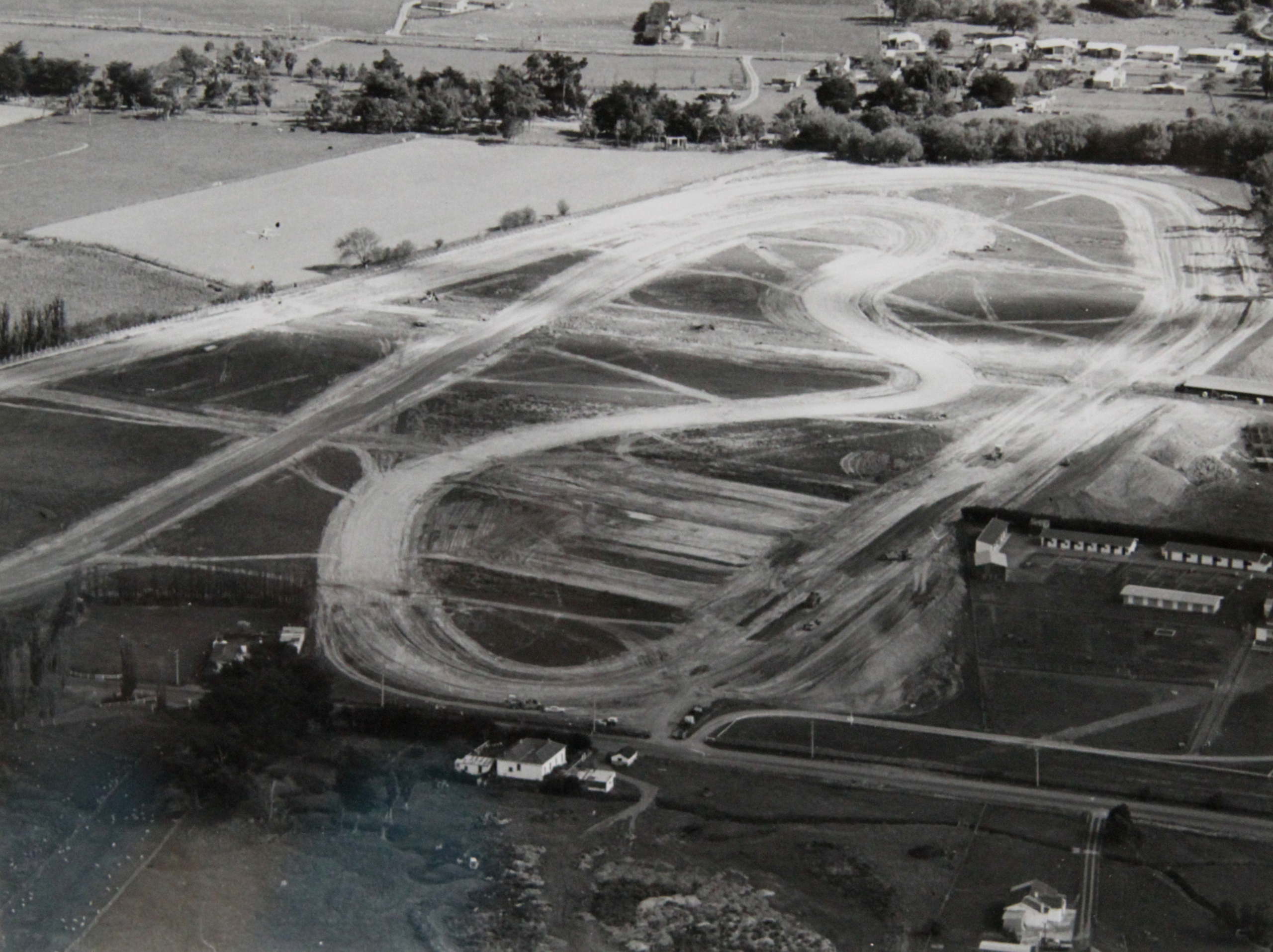
Despite the odds, the clockwise circuit roared into life on October 13, 1973, with a clubmans car meeting. It wasn’t without teething troubles—part of the circuit broke up at the ‘sweeper’ and at ‘Higgins’ corner. But true to the spirit of the place, Higgins (the company that built Manfeild) arrived the very next Monday and completely resealed it!
The big time truly kicked off with the Rothmans International car and joint motorcycle meeting on December 9. Hosted by the enthusiastic Manawatu Car Club, international rider Ray Breingan etched his name in history, clocking the fastest lap of 1m 25.8s around the 2.865km circuit. Brian Lawrence followed with a 1m 26.4s, while Australian Warren Willing was third fastest. Since that day, countless racers, photographers, journalists, officials, and spectators have added their own chapters to a story that continues to this day.
At 3.03km long, Manfeild—a clever portmanteau of Manawatu and Feilding—joined a golden era of New Zealand tracks. At the time, the country boasted seven permanent circuits: Pukekohe (sadly closed in 2023), Bay Park (closed 1995), Taupo, Levin (closed in 1975), Ruapuna, Levels in Timaru, and Invercargill’s Teretonga.
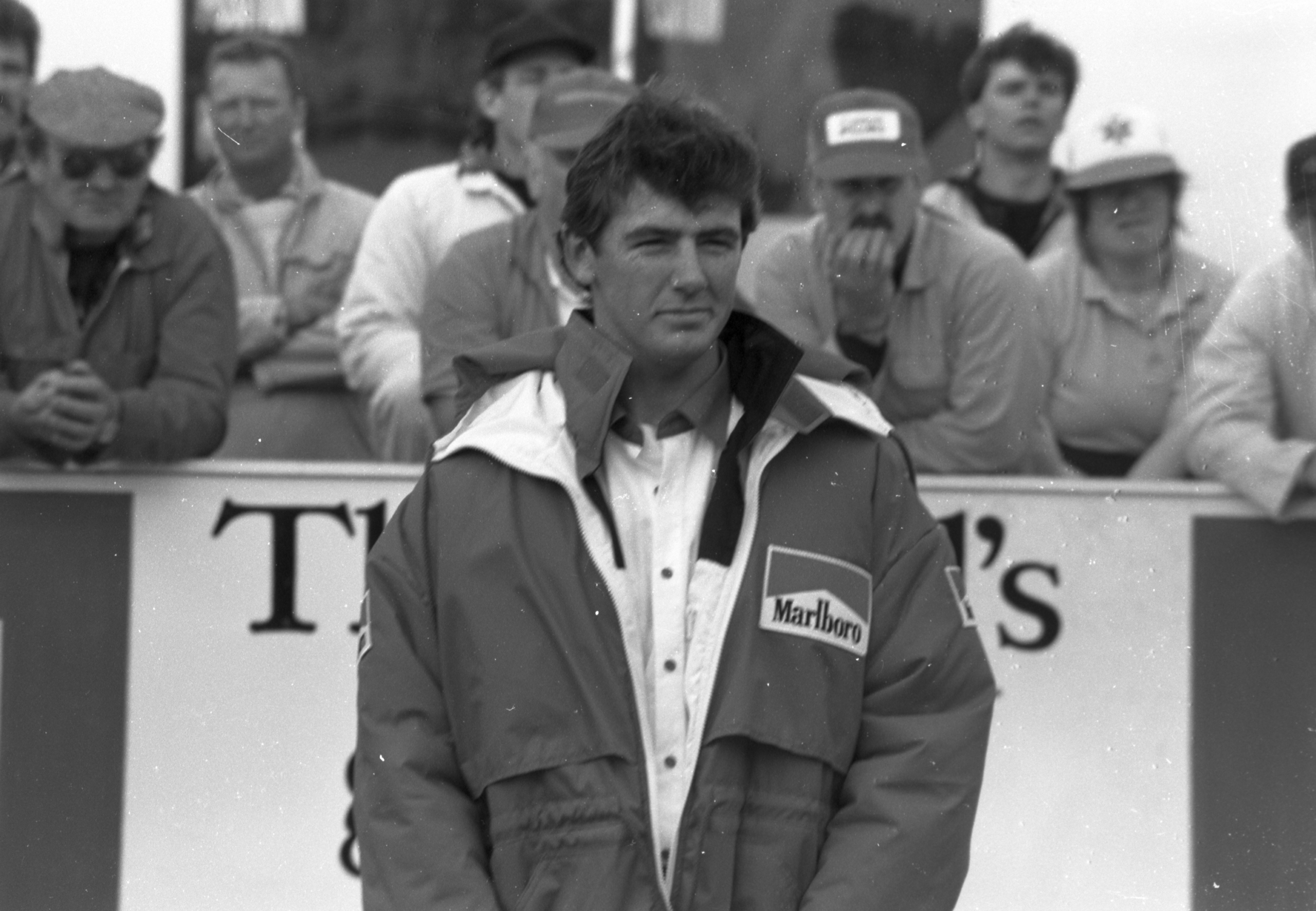
Local legend Rob Lester became the driving force behind Manfeild’s creation, serving as track manager until his retirement in 2003. His wife, Wendy Lester, was the tireless secretary for many years. Rob, then 38, worked in medical and veterinary fields, demonstrating anaesthetic techniques across the globe—from the Philippines to Kuwait.
The circuit sat on 42 acres of swampy land purchased from an estate and the Catholic church, requiring massive drainage works. The London-based FIA advised Rob that he needed a minimum length of 3km for an international permit—a tall order, as no other NZ circuit met that standard at the time.
When the project was first mooted, 79 objectors stood in the way. Rob Lester recalls the battle vividly: “There were all sorts of angles to this, such as how life would be disturbed, there’d be queues of people, letterboxes would be broken and people would be urinating and copulating on their front lawns, and all this sort of stuff! I went to the Manawatu District Council and they gave me the list of the objectors – you’d never get that today.
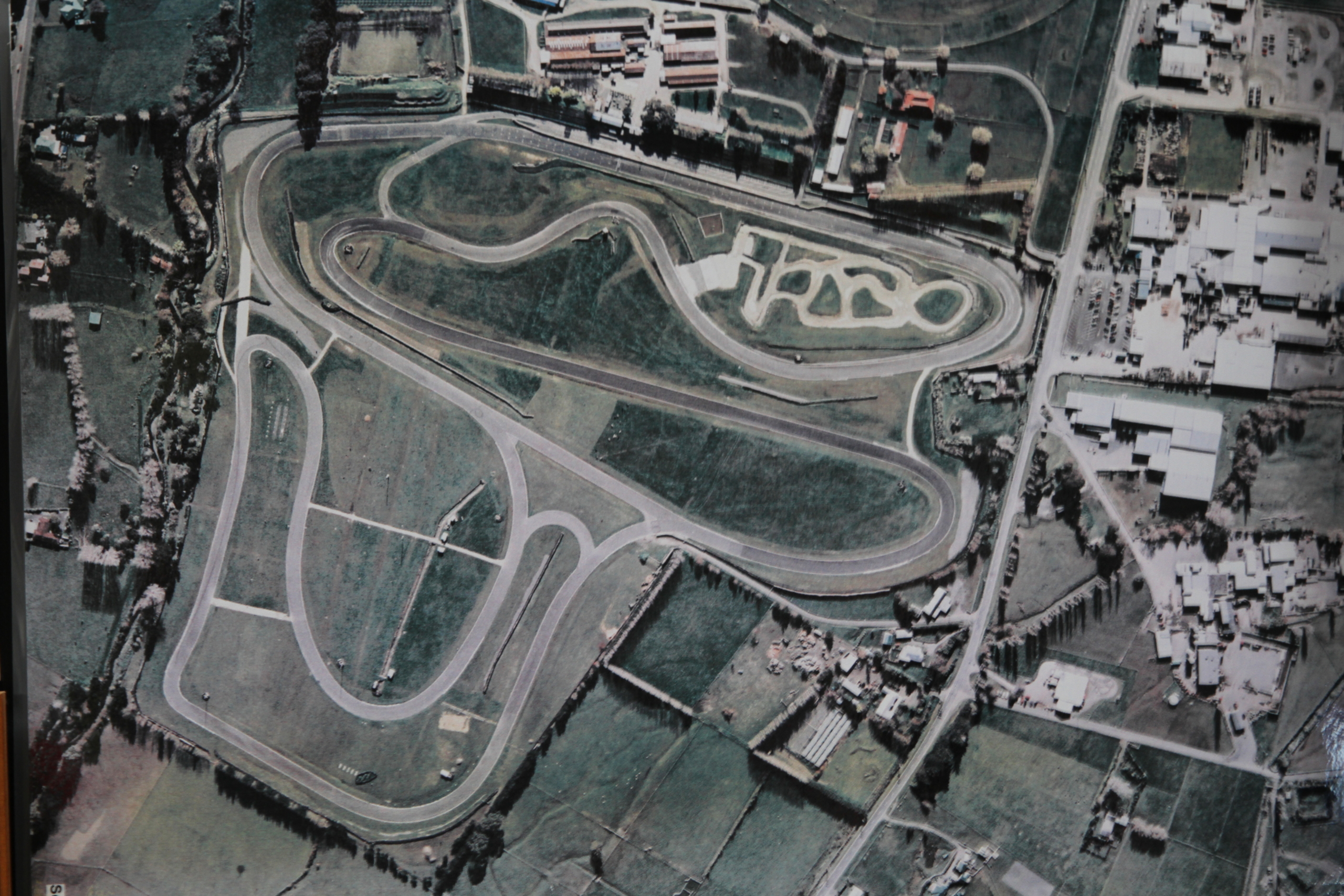
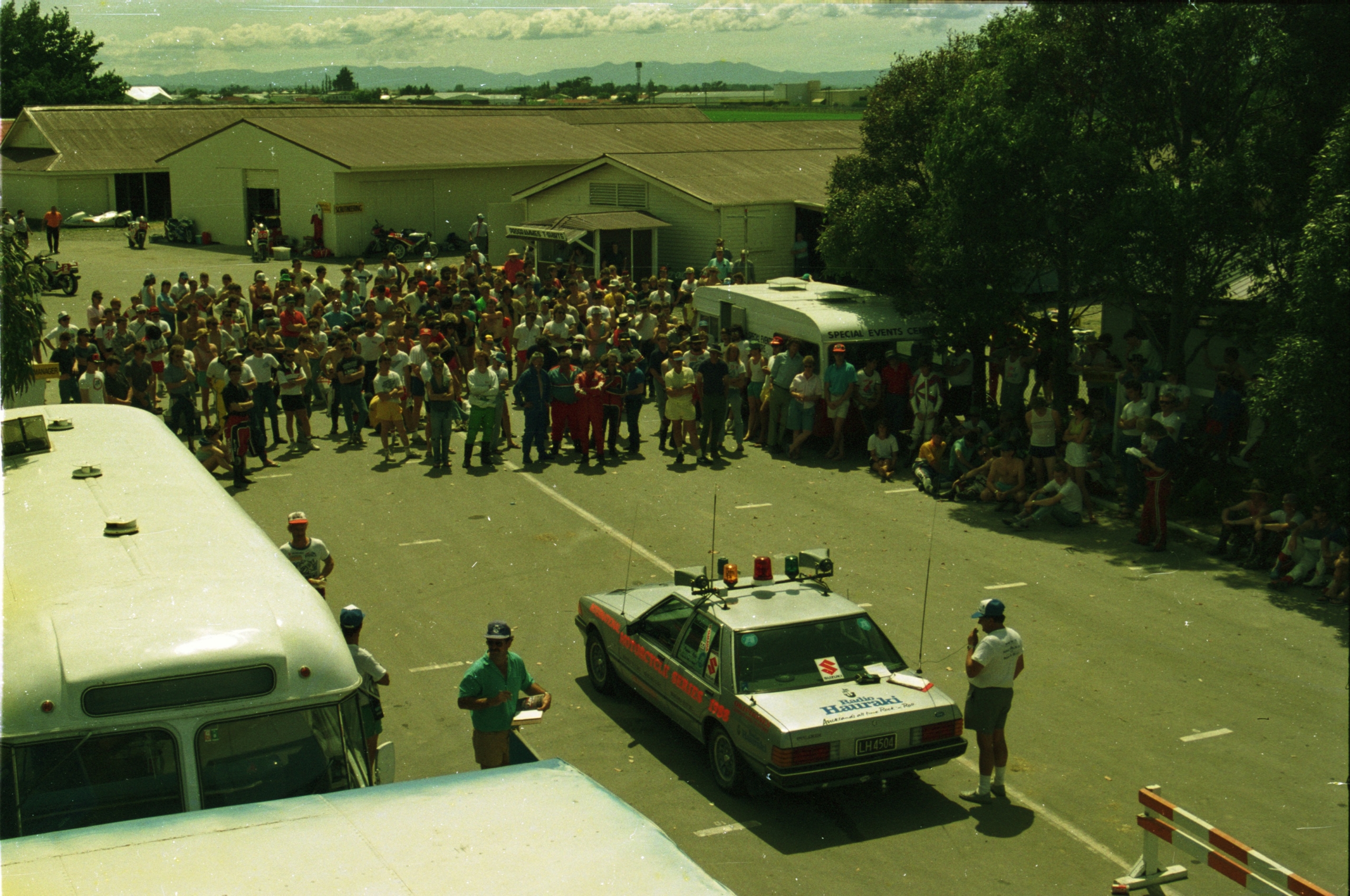
“I began to call them and talk to them to explain what we were doing and how we were going to do it, and what might occur for Manfeild. Right from that time, I realised there was no way we could be seen as just a bunch of noisemakers. We had to have a community element to what we did, and that’s where the ‘Feildays’ [agricultural show] began to develop. I think we got down to about 35 who were holding out, and by the time we had the hearing in the district office—there were three!
“We had a lot of cups of tea, had a few laughs, and it was an exercise in PR, but in the circumstances to make sure we kept abreast of it, I met them all. If you could go and see and talk to them it is amazing how much you can create a better impression for them. But you can’t do that anymore to get resource management; we could never have built Manfeild today, never, under current circumstances.”
Rob’s dedication saw him improvising with cardboard cutouts on a scale map from Massey University. “I took seven cut-outs to Chris Amon when he came back in Christmas ‘72. He said ‘Keep it simple, the more corners you put in the less racing that you get’. He said it would be nice if you get a 100mph average, that would be the holy grail’.”
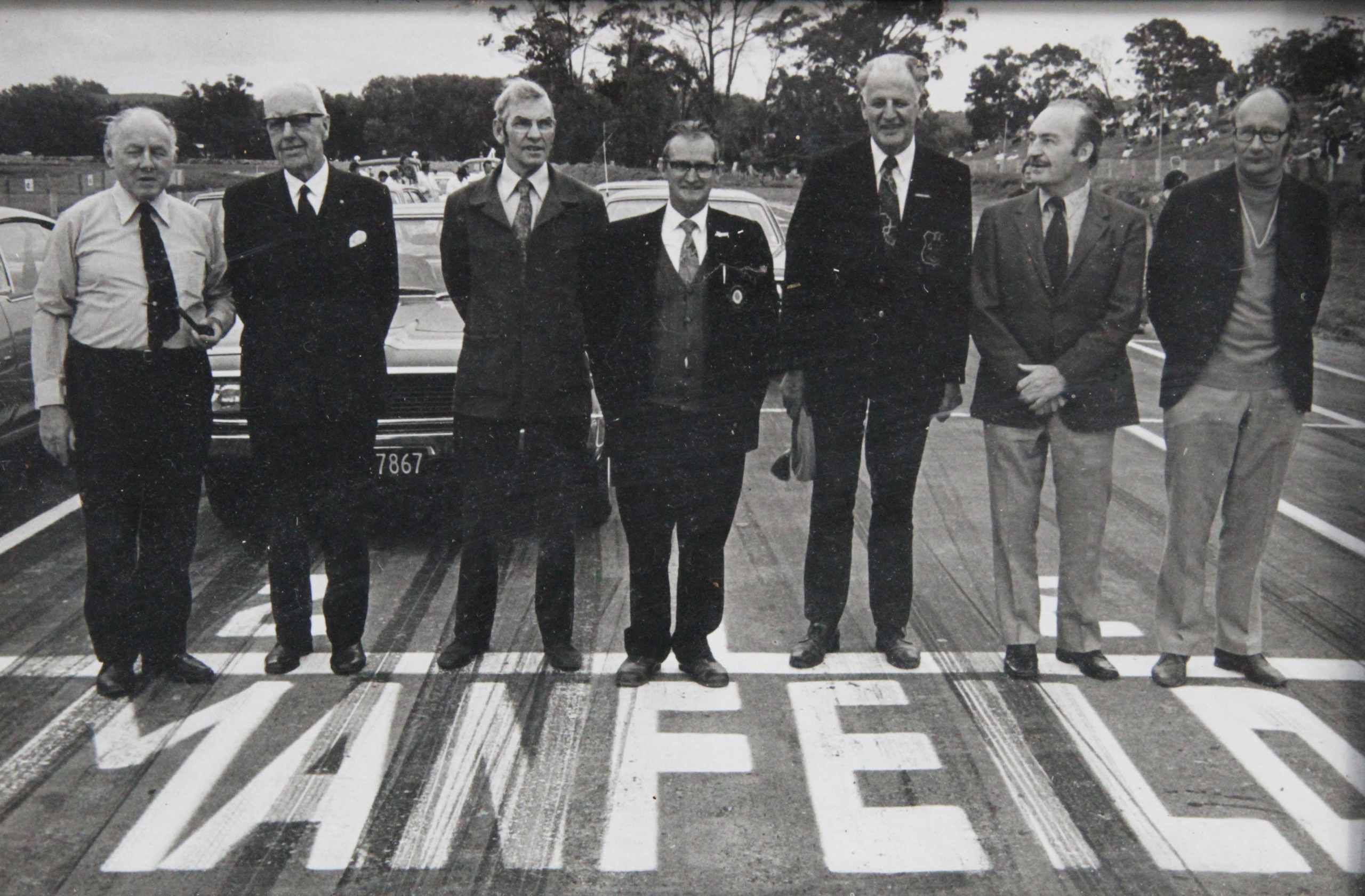
During a trip to Britain, Rob met Dean Delamont at the RAC in Belgrave Square—the guru of international motor racing. “He looked at it and said ‘Straighten this little one a bit’… But he said we’d be hard pressed to get a 100mph average unless you get some positive camber. The rule of thumb for him was for every degree [of camber] equals 3mph of grip. So if you go for ten degrees you get 30mph out of it.”
Despite the planning, roadblocks appeared at every turn. Upon returning to NZ, Rob found his plans rejected by the motorsport executive. “We’d already been to the bank and arranged the finance; I couldn’t believe it. But, I had this big map of the place with Dean Delamont’s signature on it. That persuaded the motorsport executive to withdraw their position, because it had his signature on it!”
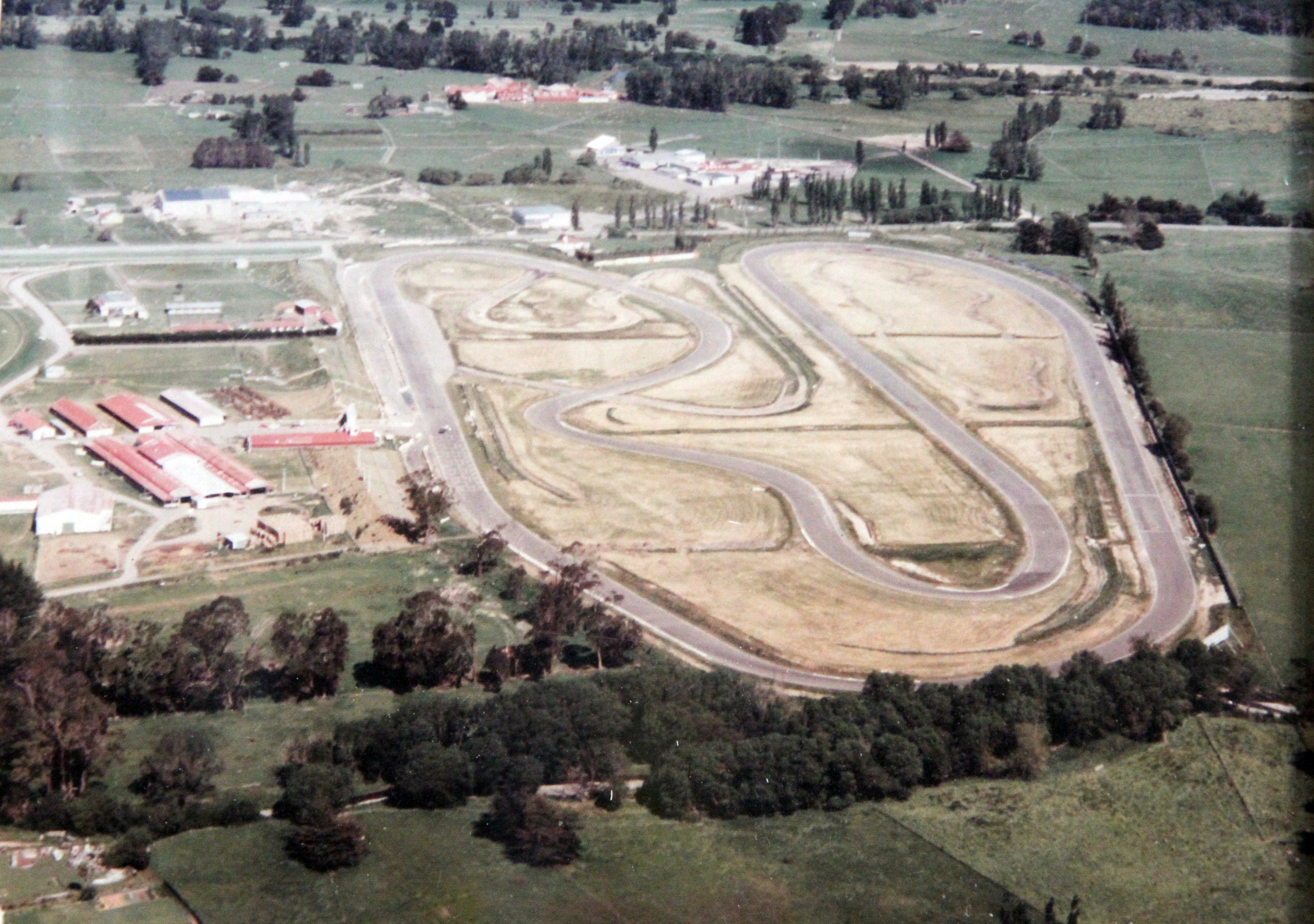
The design philosophy was simple: visibility. “Wendy and I didn’t have any money but we enjoyed motorsport… In many cases you couldn’t see, so I said ‘We need a circuit where you can sit on a stand and see everything’,” says Rob.
Dan Higgins, the father figure of the Higgins earthworks company, became a crucial ally. When designers said the camber flow was too difficult, Higgins stepped in. “Old man Higgins said ‘I think I have a grader operator who can do this’… He put a whole lot of sticks in the ground and tied ribbons to the sticks. He worked off the ribbons and he graded the circuit—absolutely incredible. So we got it, we got our first 100mph average speed at the very first international, the Formula 5000, and there was no one more pleased than I!”
Rob and Wendy ran the show on a shoestring budget and immense passion. When funds were tight, the community rallied. “The assistant bank manager was also a car club member, and he and I canvassed every single club member… we got guarantees for $127,000. We had $34,000, and I remember the bank manager, a hell of a supportive guy, saying to me, ‘Rob, we are lending you money on an idea, not on collateral’, to build the track!”
The Golden Years
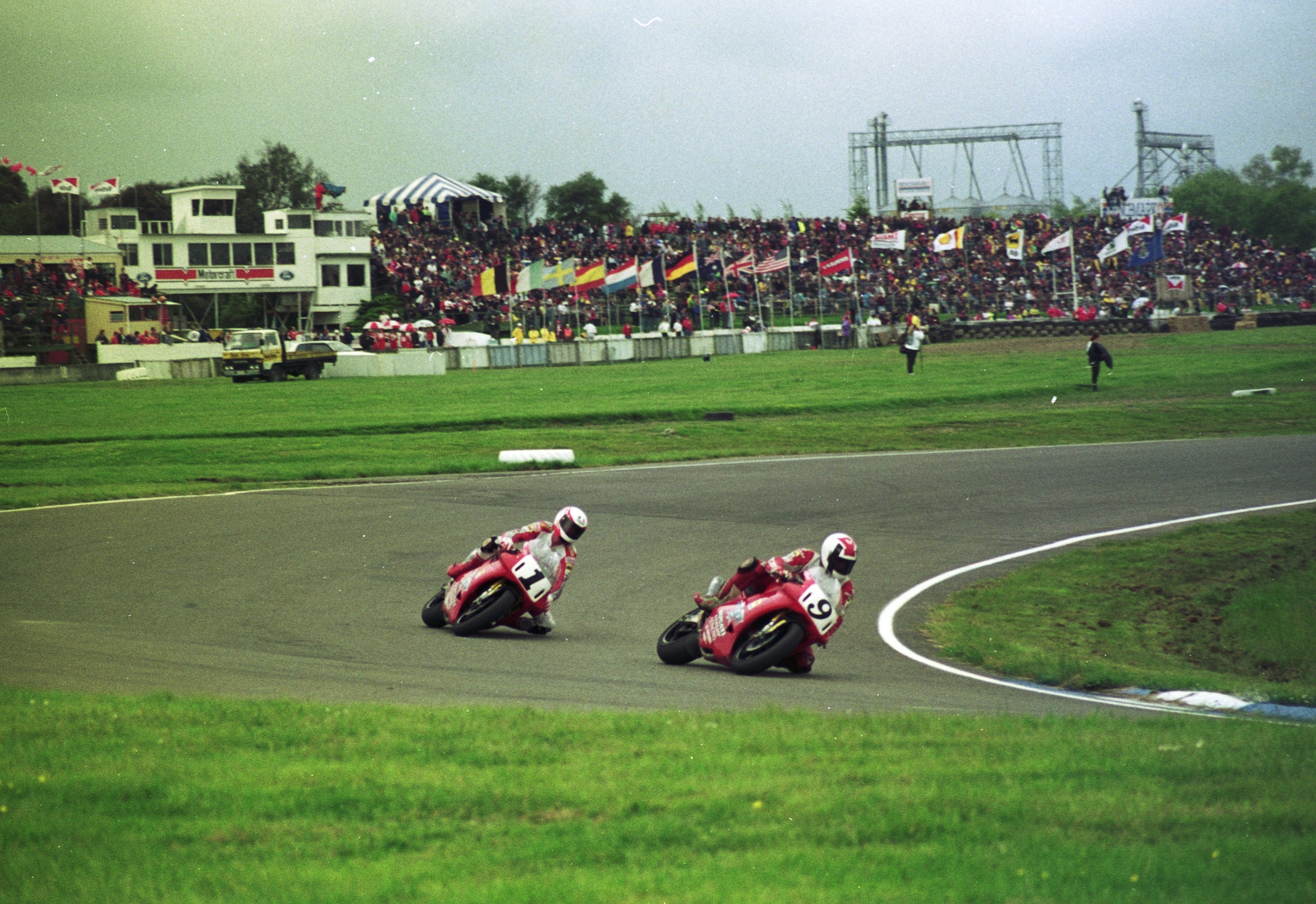
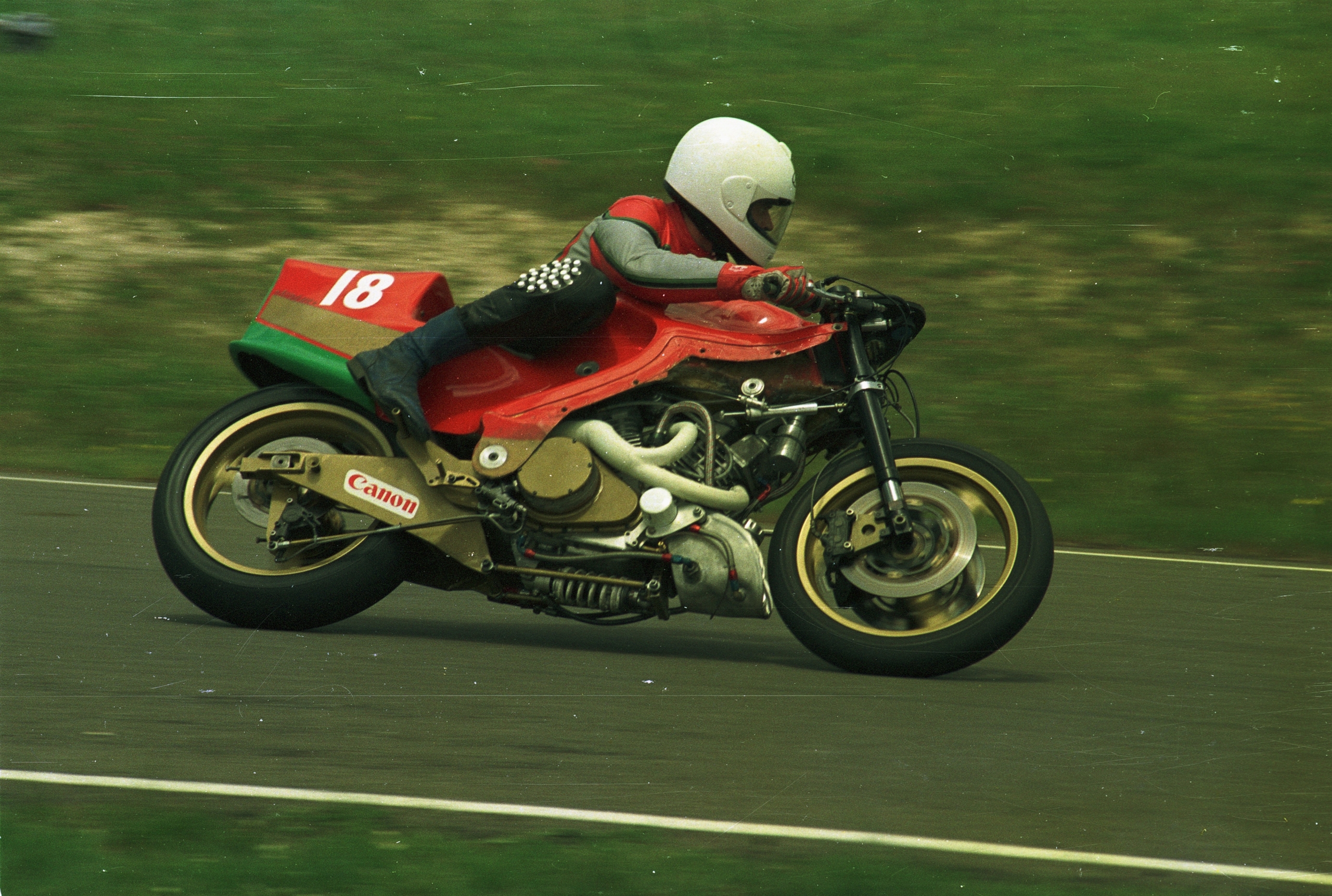
Manfeild went on to host iconic international events, including the legendary NZ Castrol 6 Hour and four rounds of the burgeoning World Superbike Championship. With its technical layout and cambered corners, it quickly became hallowed ground for road racers.
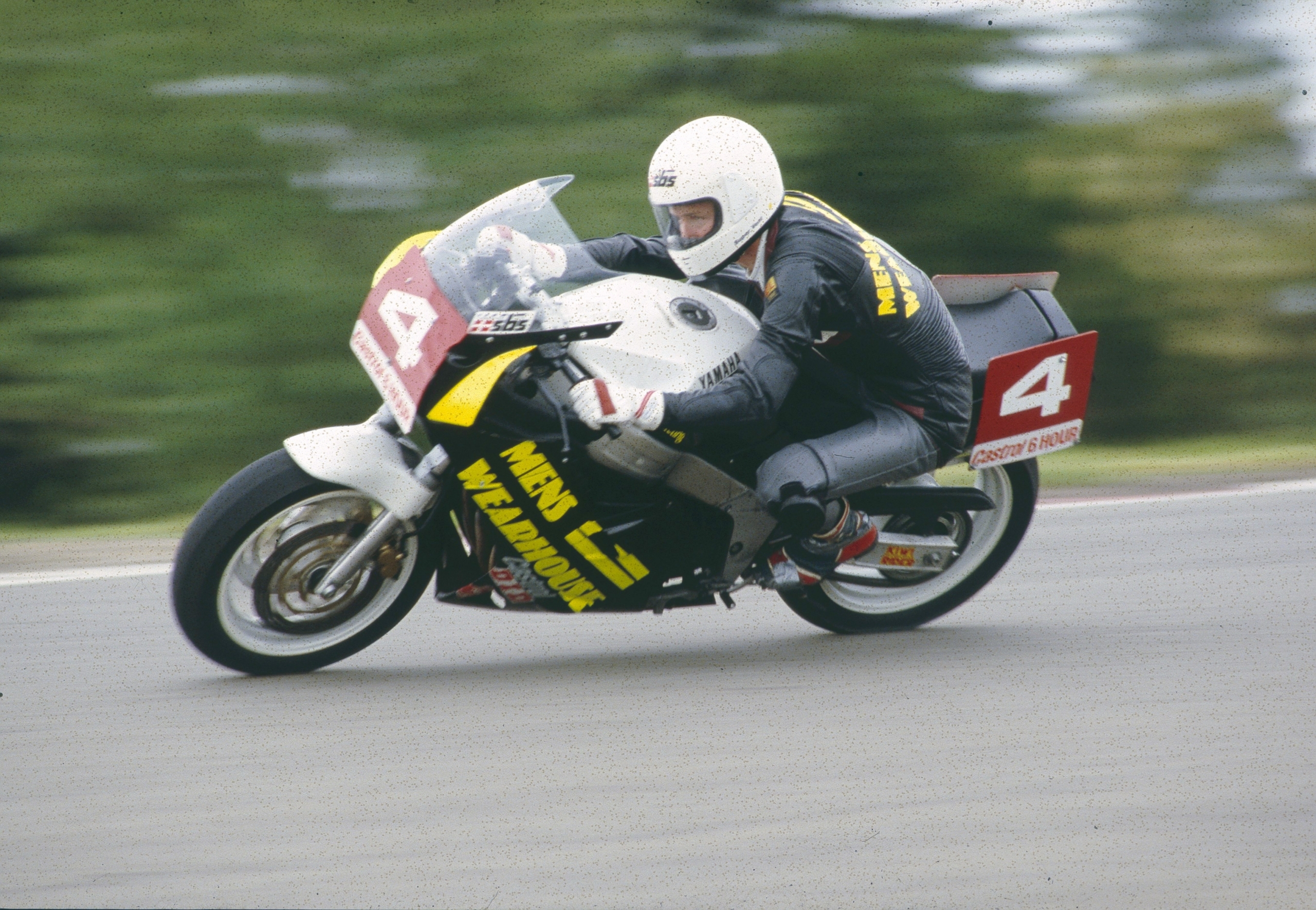
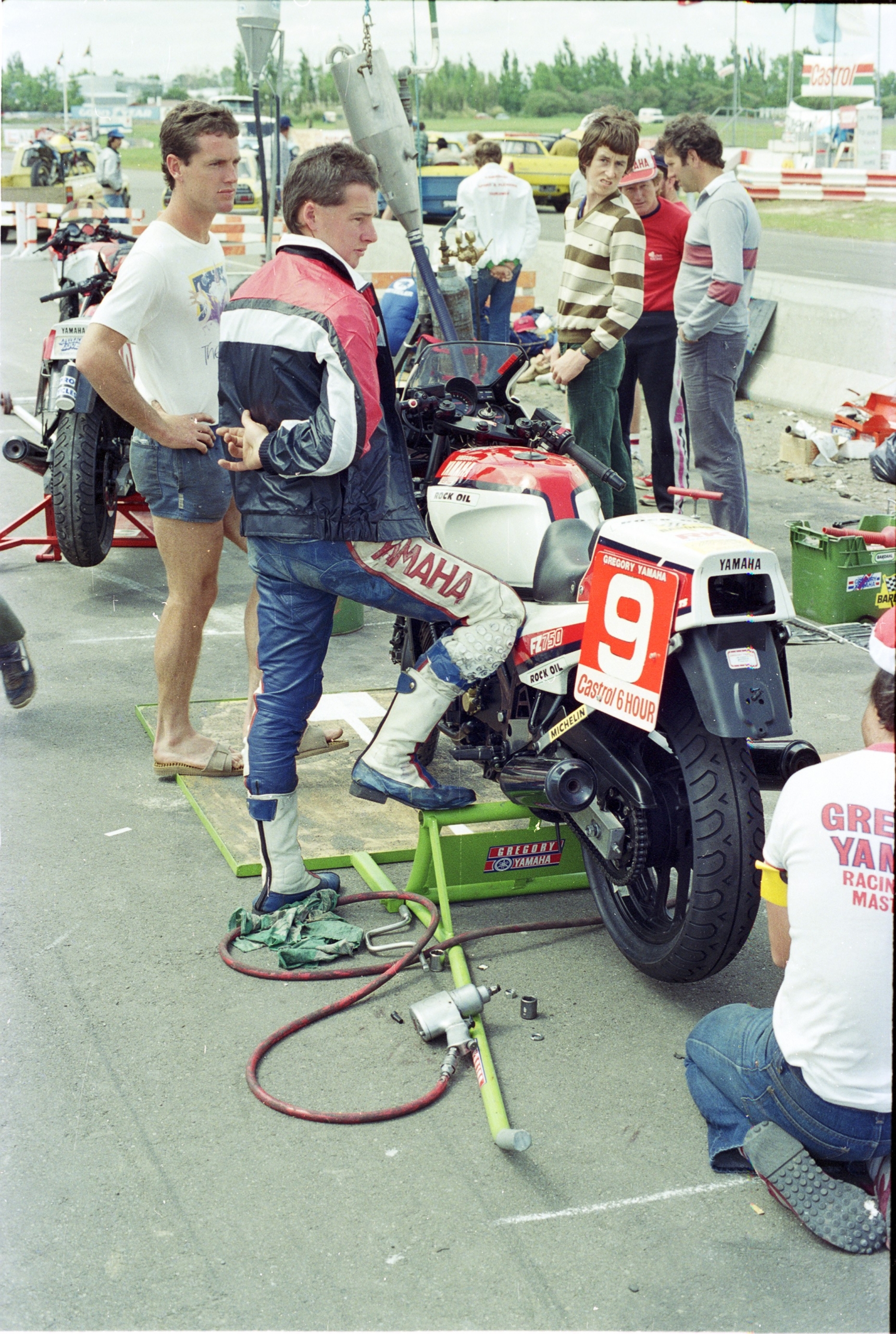
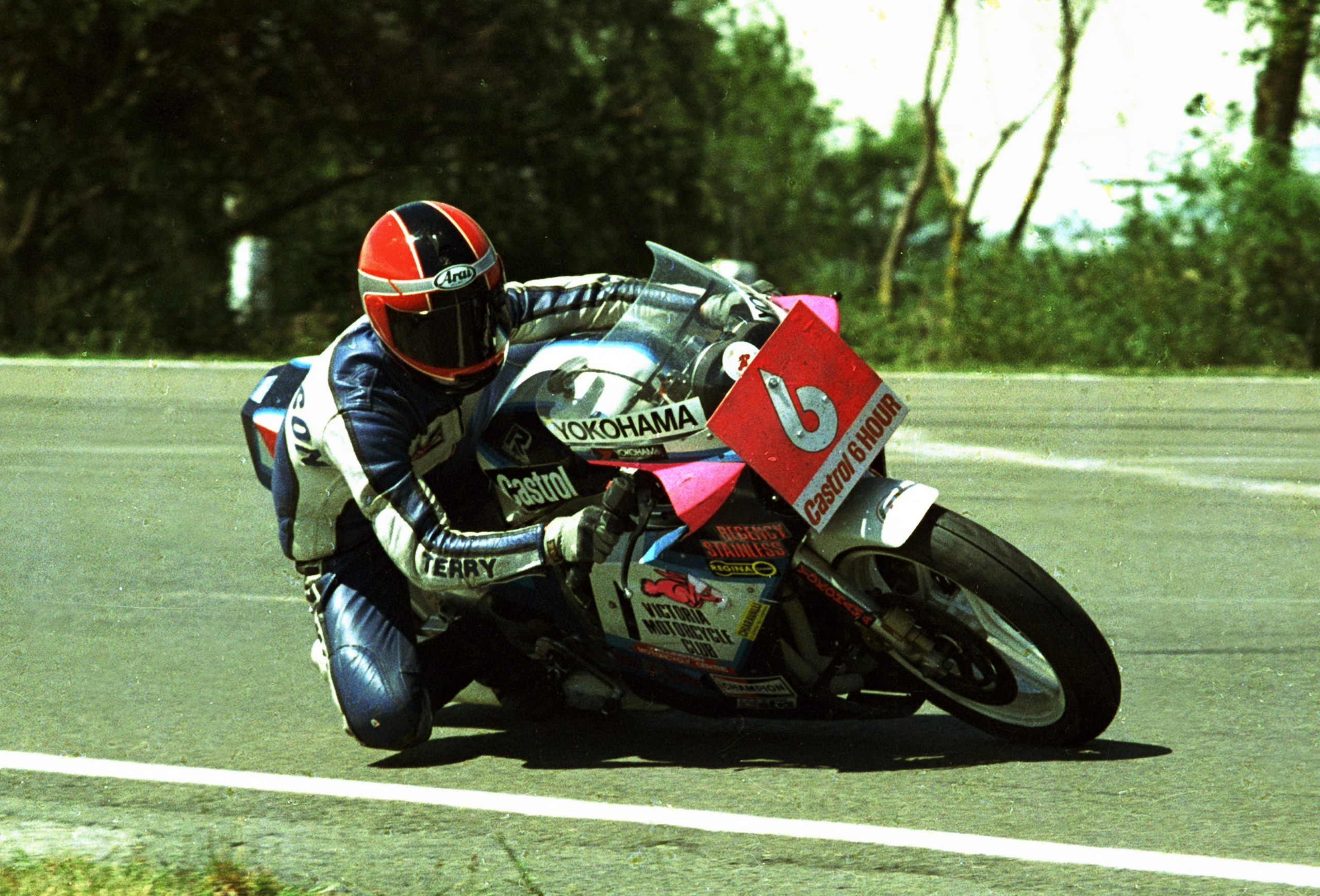
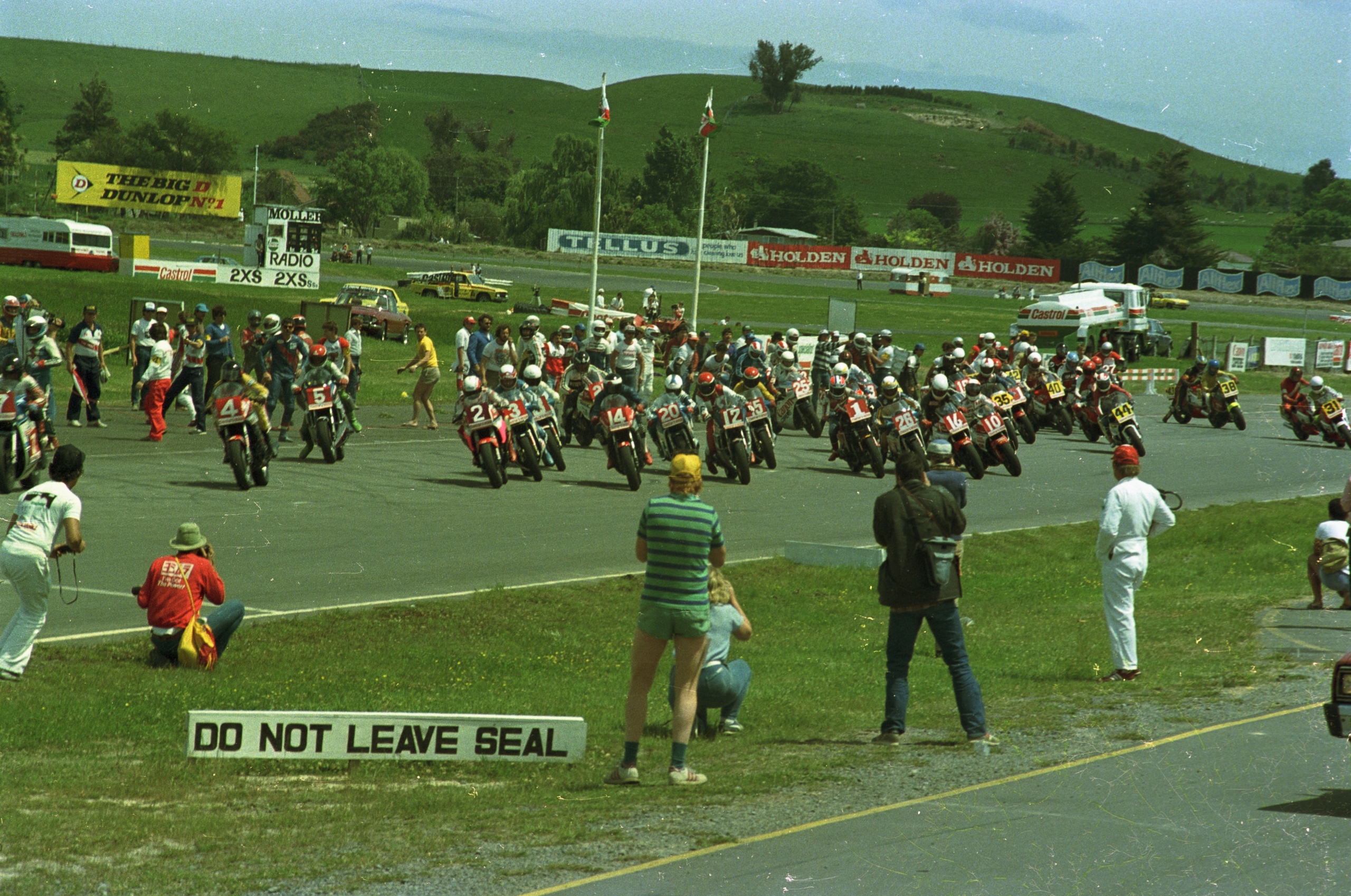
The Castrol 6 Hour races, held every November from 1974 to 1988, were pure magic. Inspired by the Australian equivalent, the first race saw Ginger Molloy take victory solo. It was a time of heady excitement where spectators could bring their own alcohol and revel in the atmosphere all day long.
“We had to do our own thing with the Castrol 6 Hour,” Rob explains. “It was a good idea that put a lot of pressure on me personally… When we set our budgets and our calendar of events, the Castrol 6 Hour was the November date—there was nothing else that would interfere with that! It was an iconic event for us.”
Sadly, the event folded after the 1988 sharemarket crash, with sponsors forced to pull back. But the memories remain vivid. The 1988 event saw Bob Toomey set the F1 lap record at 70.65s, while a young Aaron Slight tore up the track on an FZR1000.
“Some of the best memories for me were those incredible duels between Malcolm Campbell and Neville Hiscock,” Rob reminisces. “They were coming around the sweeper onto the front straight, time and time again, swapping places! What got me was Hiscock actually looking back as he passed him giving the thumbs-up, it was just superb.”
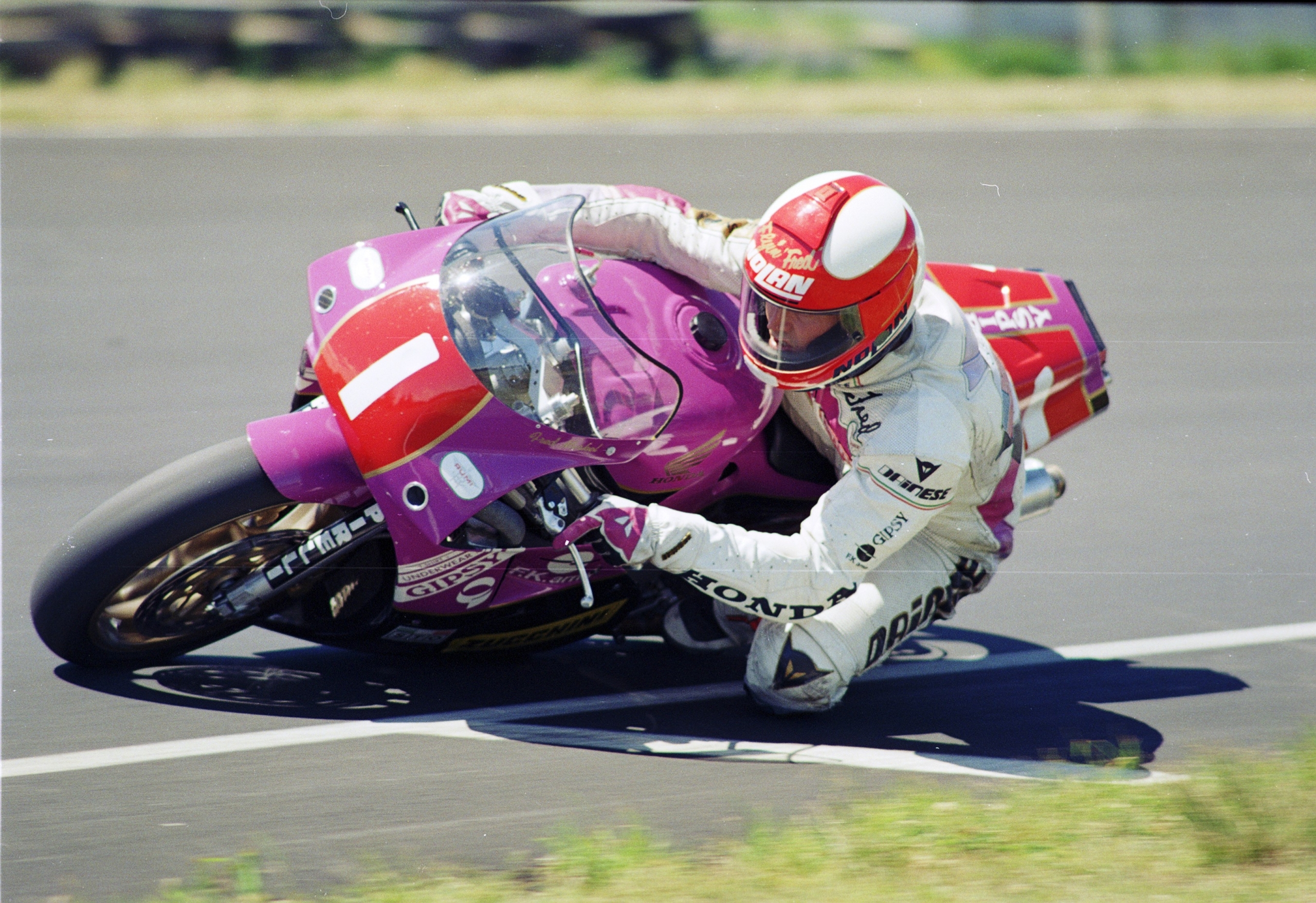
That was 1981—Suzuki vs Honda, Australia vs NZ. The battle raged until Neville Hiscock crashed in light rain with ten minutes to go. Famously black-flagged for not pitting, “No Nerves Nev” ignored the flag for laps before pitting. The team was excluded, handing Honda its first 6 Hour win!
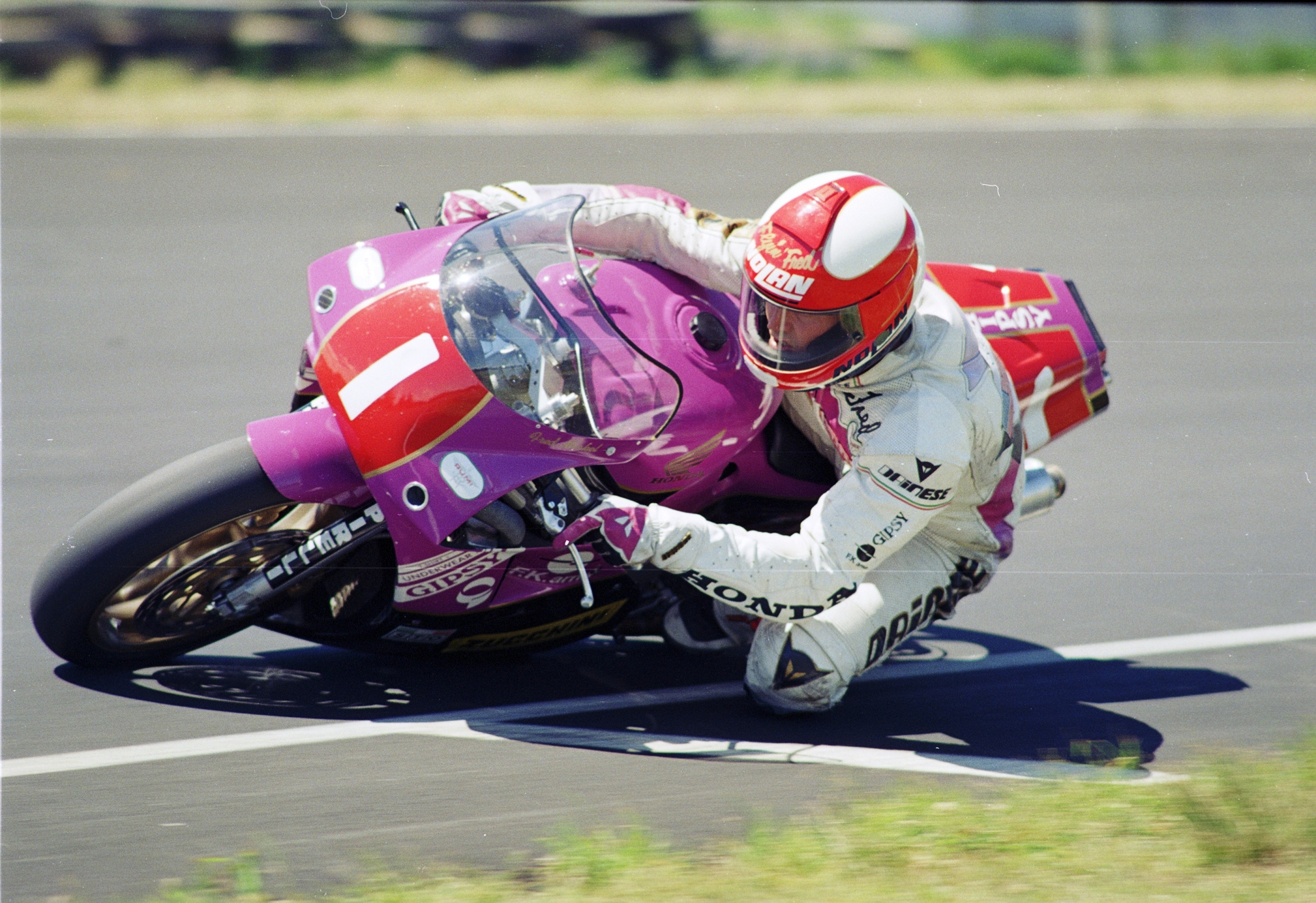
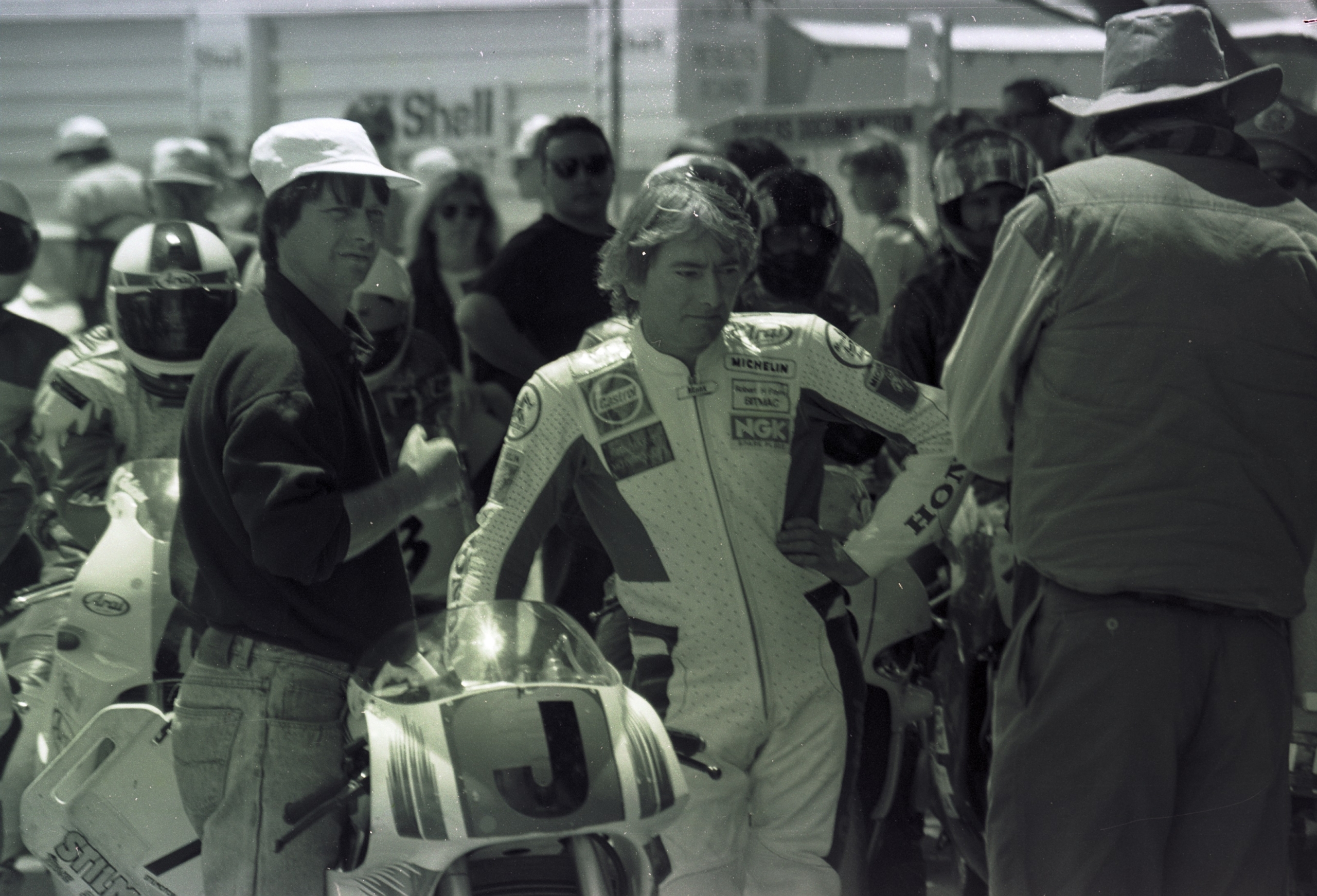
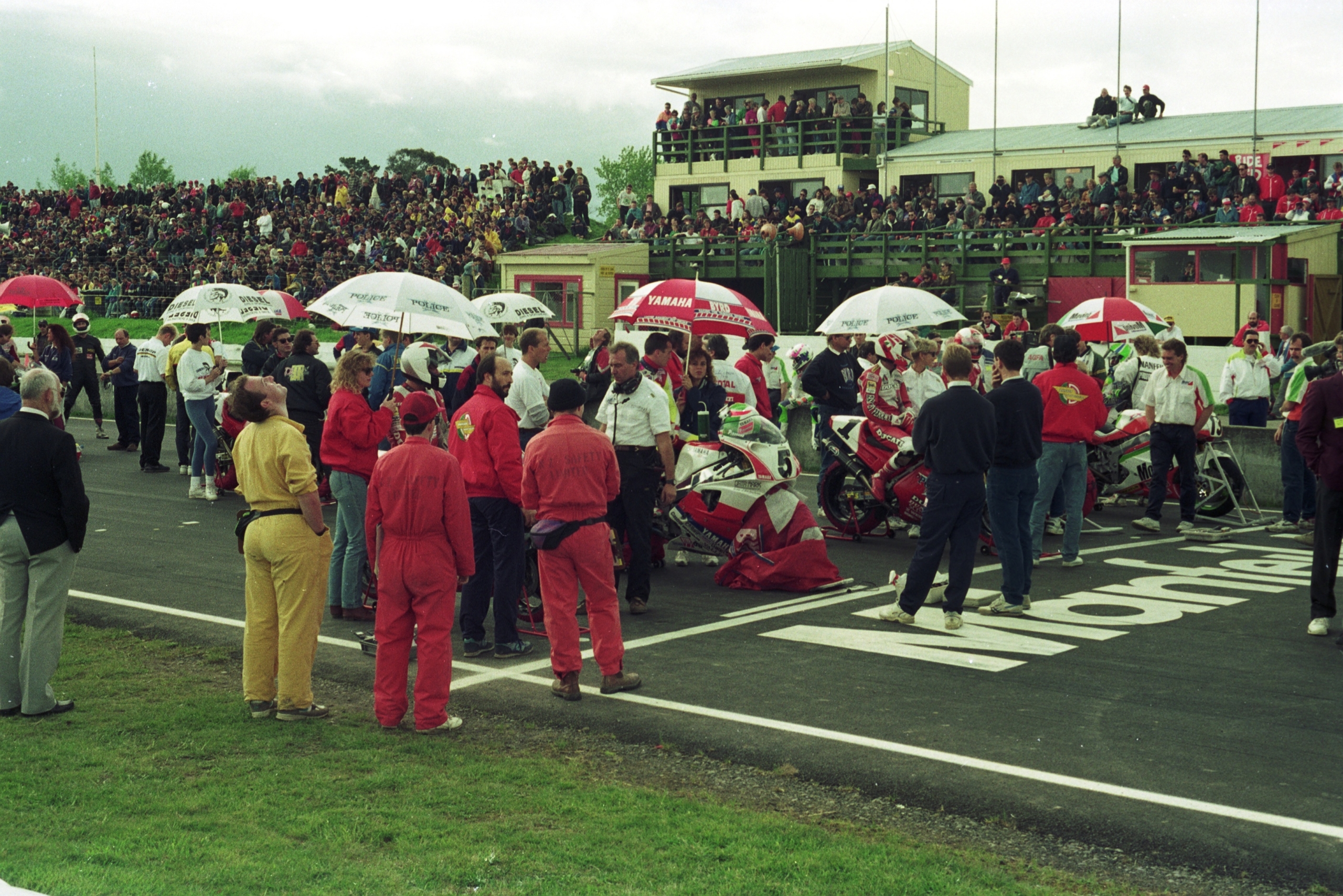
Then came the World Superbike meetings—four massive events starting in 1988. The world’s best descended on Manfeild: Marco Lucchinelli, Fabrizio Pirovano, Fred Merkel, and Doug Polen. The Aussies were there in force too—Rob Phillis, Mike Dowson, Peter Goddard, Troy Corser. Belgian Stephane Mertens set the outright motorcycle lap record in 1988 with a blistering 71.26s.
It was a breeding ground for Kiwi talent, launching careers for the likes of Robert Holden, Andrew Stroud, and Tony Rees.
Tales from the Track
In the early days, safety was… let’s call it “experimental.” The front straight was lined with 44-gallon drums. “Somebody said to me the 44-gallon drums were good because they were deformable,” Rob recalled. “You could fill them up with water and when someone hit them the water just shot up. How did we get away with it? Well, people were prepared to risk it to come and race.”
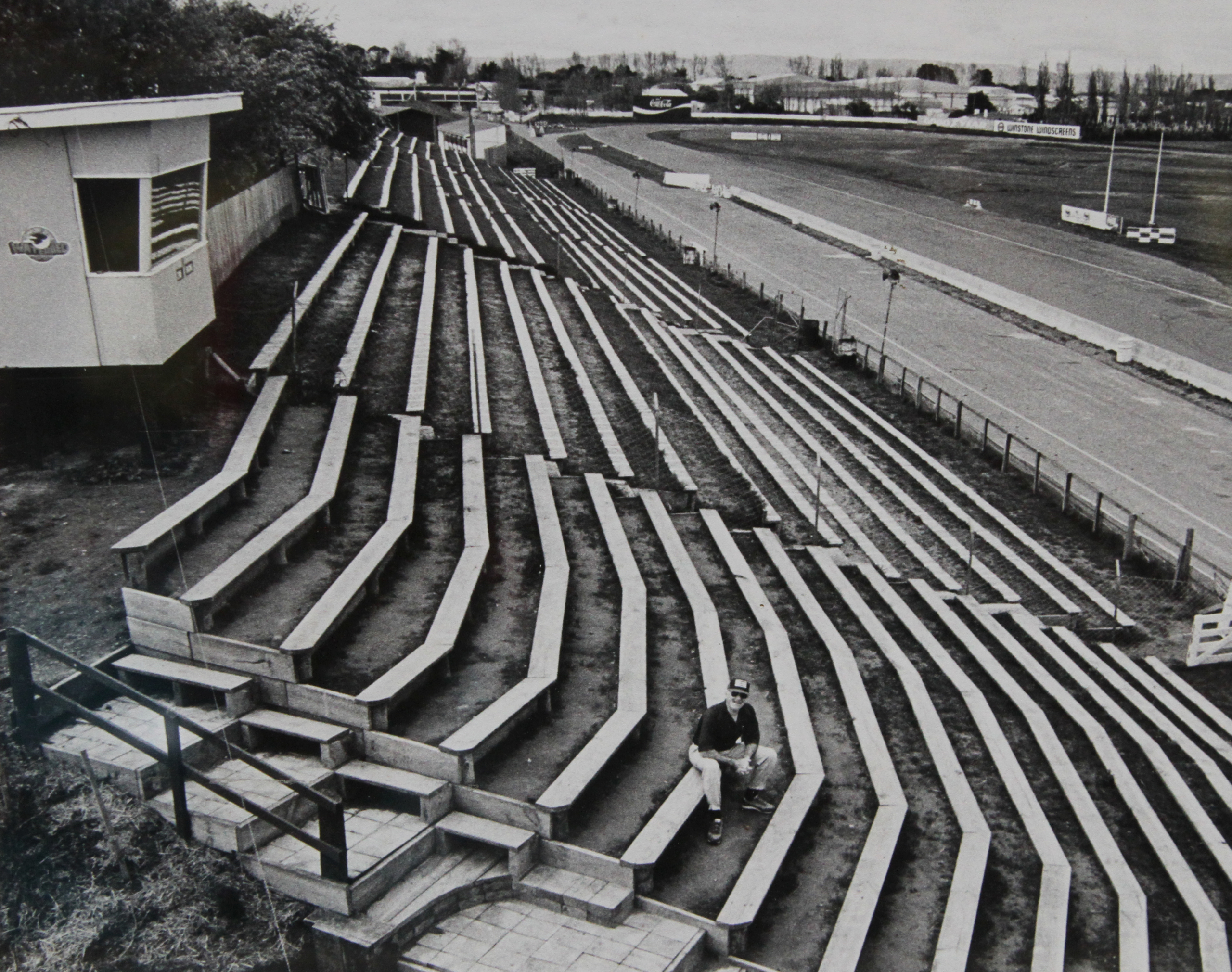
Wendy adds, “Dean Delamont would come out every couple of years… when he came out the next year and saw them he went berserk and screamed to get them all out!”
Financial struggles were real. Around 1977, Manfeild almost went bust. But the community spirit shone through. Clubs from the small Wairarapa Motorcycle Club to the Victoria University Club donated thousands to keep the dream alive.
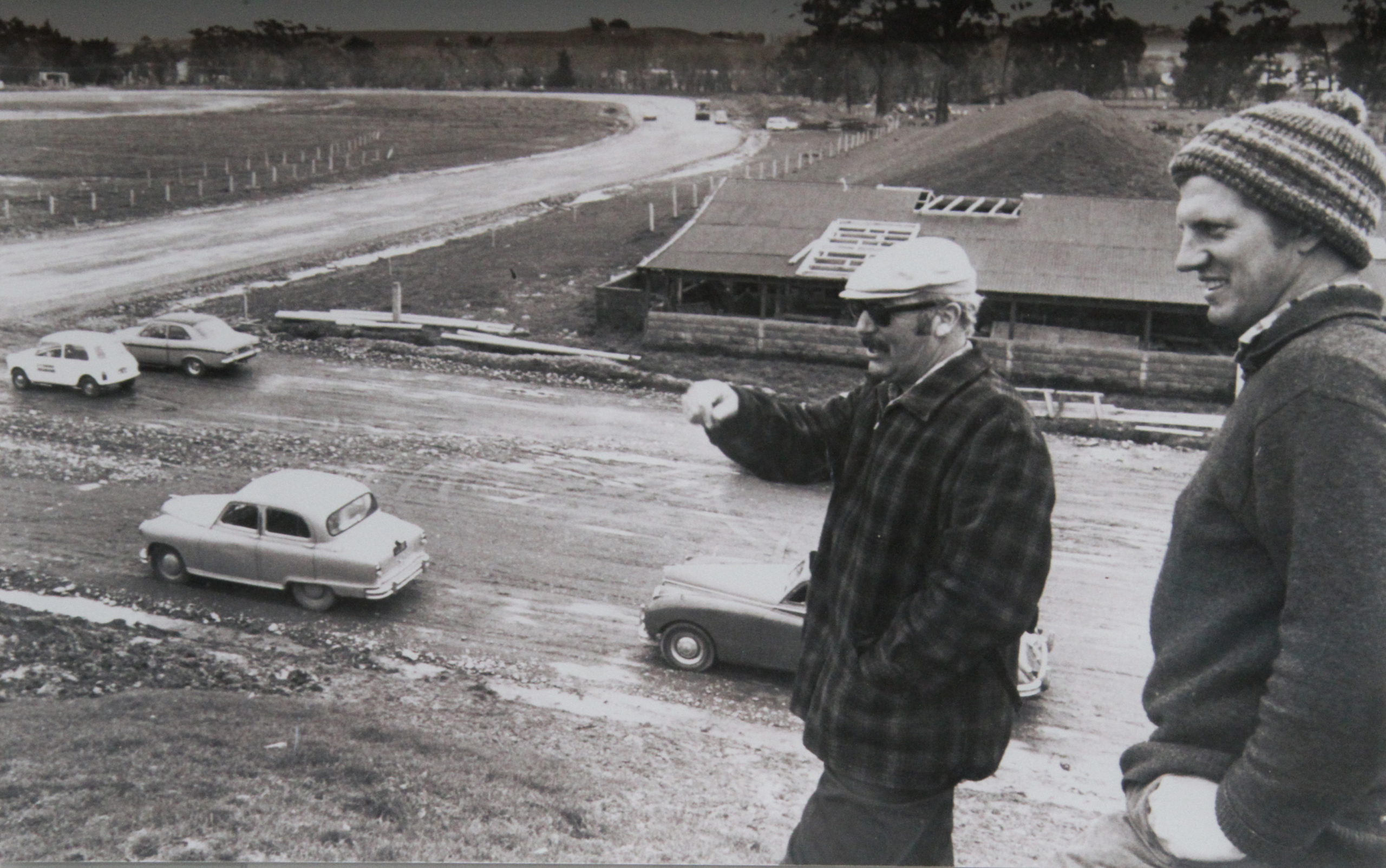
“The politicians in Wellington closed down all motor racing [due to the oil shock],” Rob says. “It was an extraordinary situation… On top of that over a three-four year period 60% of every major meeting we promoted were rained on!”
Yet they recovered, paying off debt by 1981. To avoid interference from club members on how to spend the surplus, Rob and Pat Higgins decided to owe more money by building garages and suites!
Of course, we can’t forget the infamous infield drains. A hazard for cars and bikes alike, they ended the careers of Dallas Rankine and Red Dawson. Rankine crashed avoiding a fallen rider: “Thinking I could ride it out [on the grass], suddenly I saw a ditch in front of me… My Evel Knievel skills were insufficient to clear the ditch, so hit the other side—the impact was enough to rip the steering head completely out of the frame.”
In 2016, Manfeild was fittingly renamed Circuit Chris Amon, honouring the legendary Kiwi F1 racer who lived nearby. It stands today as a testament to vision, community grit, and the enduring passion for motorsport.