How one small Australian outfit became a global authority on century-old Indian Motorcycles.
Few people scanning the green, rolling hills of Gippsland would guess that this corner of Australia is home to one of the world’s most respected niche manufacturers of Indian Motorcycle parts. Yet since 2010, Crazyhorse Indian has built a global following from a small workshop in the region, specialising in Indian Motorcycle models spanning 1901 to 1953 — machines now treasured by collectors and riders worldwide.
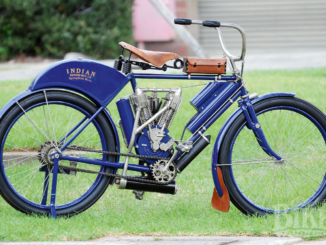
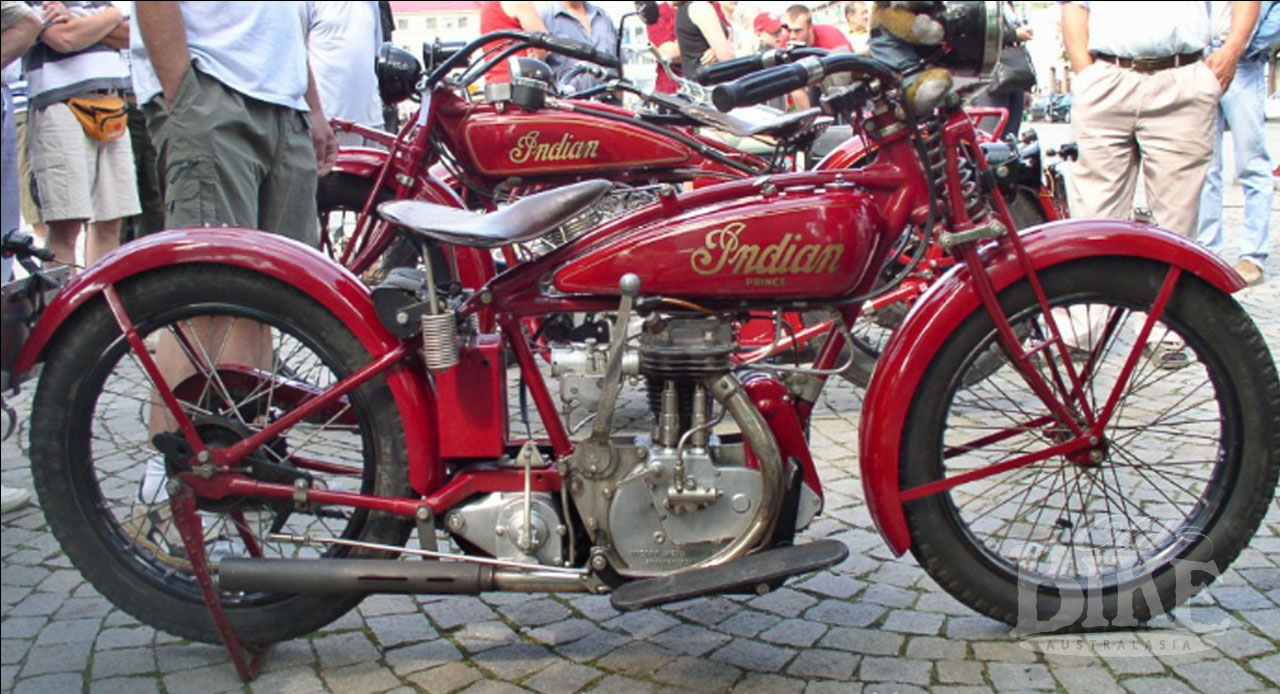
The business began its life in Melbourne’s south-eastern suburbs before relocating to Gippsland, where it has grown steadily since 2010. Founder Mark Barthelmie has built Crazyhorse Indian around a precise and passionate focus: the legendary Indian Motorcycle models produced between 1901 and 1953 – an era that defined American motorcycling and produced machines now treasured by collectors and riders worldwide. The company’s core expertise lies with the venerable Scout and 101 Scout (1920–1931), the Chief range, and the military 741 model through to 1953. More recently, development has extended further back in time to cover the earliest Hedstrom-engine machines from 1901–1916, as well as the Powerplus, early Chief, and Prince models.
Engineering solutions for a century-old machine
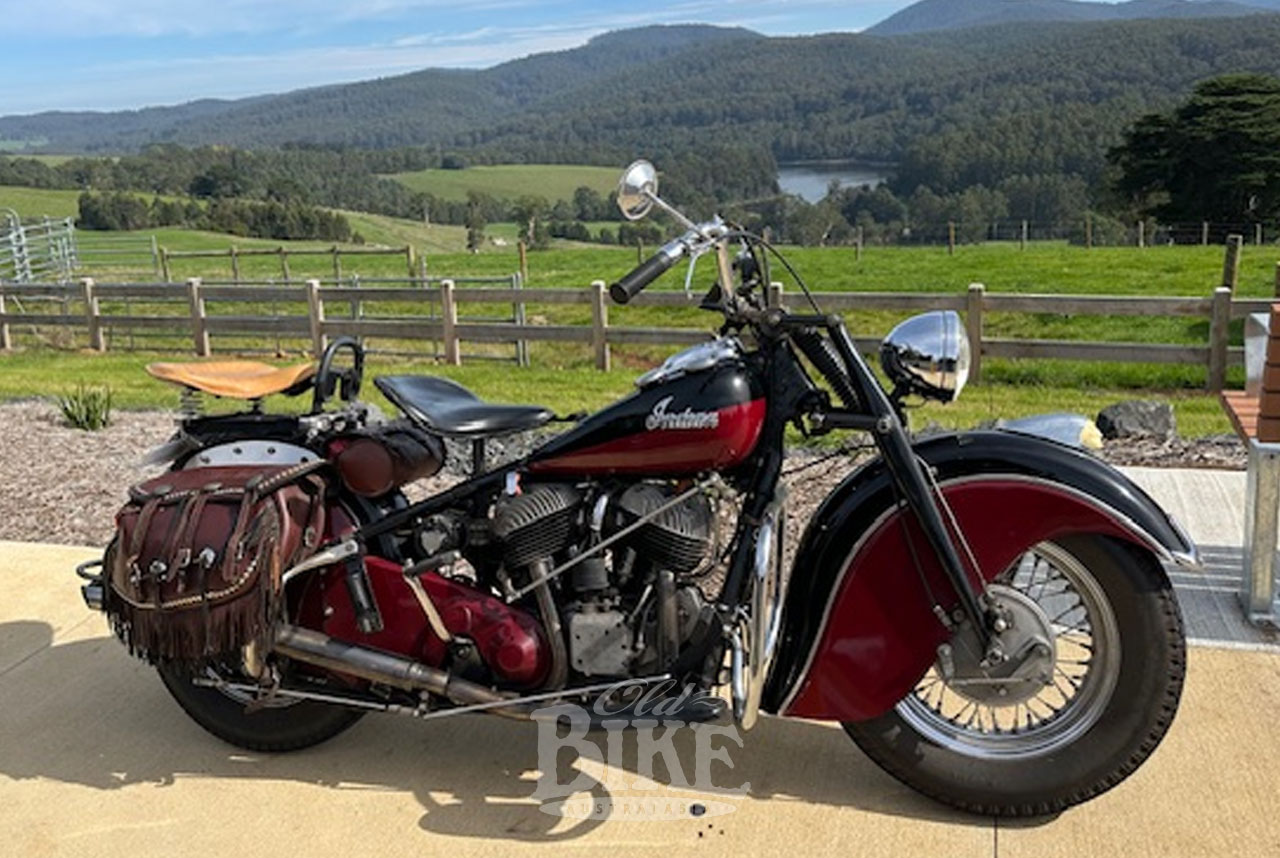
The company’s founding products were developed for the 1940s Indian Chief – one of the most iconic large-displacement V-twins ever built. The first was a permanent magnet 12V alternator with no moving parts beyond its bearings, designed to look visually identical to the original unit and bolt directly into the factory bracket, while delivering a healthy 14-amp output. With over 400 units sold globally, it has become one of the most widely adopted electrical upgrades in the vintage Indian world.
The second was a twin leading shoe front brake, developed first for the girder- and telescopic-fork Chiefs of 1946–1953, then extended to the elegant leaf-spring fork models of 1938–1945. Modern roads are faster and more congested than anything Indian’s engineers imagined in the 1930s and ’40s, and the improved stopping performance has been enthusiastically welcomed by riders around the world.
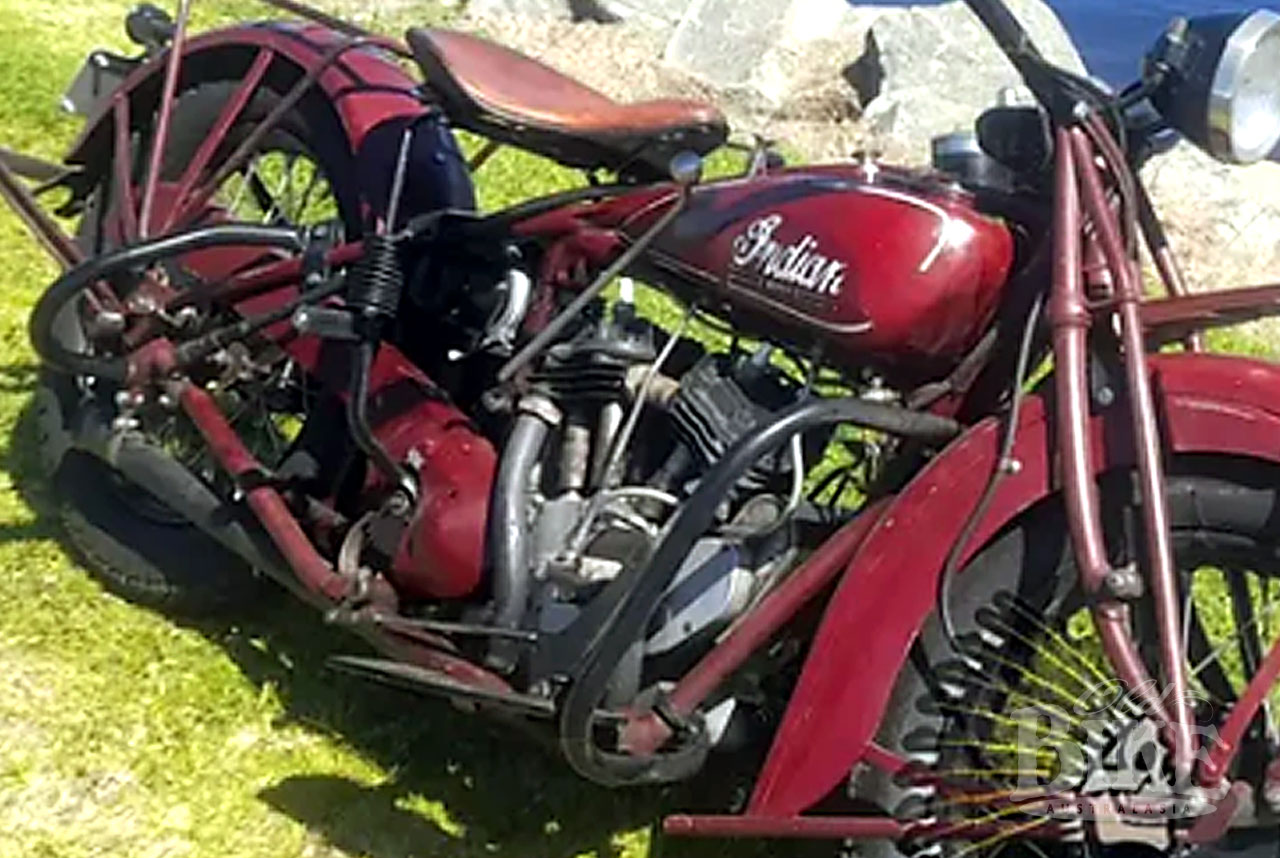
Further innovations followed. A belt drive alternator for the 741 model addresses a known weakness in that machine’s generator drive system, improving charging reliability considerably. An upgraded braking kit featuring longer levers and more progressive cam profiles has refined the stopping experience further still. Rounding out the electrical range are 12V alternators for the coil-driven four-cylinder machines, and direct replacements for the Splitdorf Du-series generators fitted to Scout, 101 Scout, and Prince models from 1920 to 1931.
The Latest Chapter
The most recent development project tackled one of the more stubborn challenges in the Scout world: a modern magneto replacement for the Splitdorf S1 and NS2 units fitted to the Scout models, along with a single-cylinder equivalent for the Indian Prince.
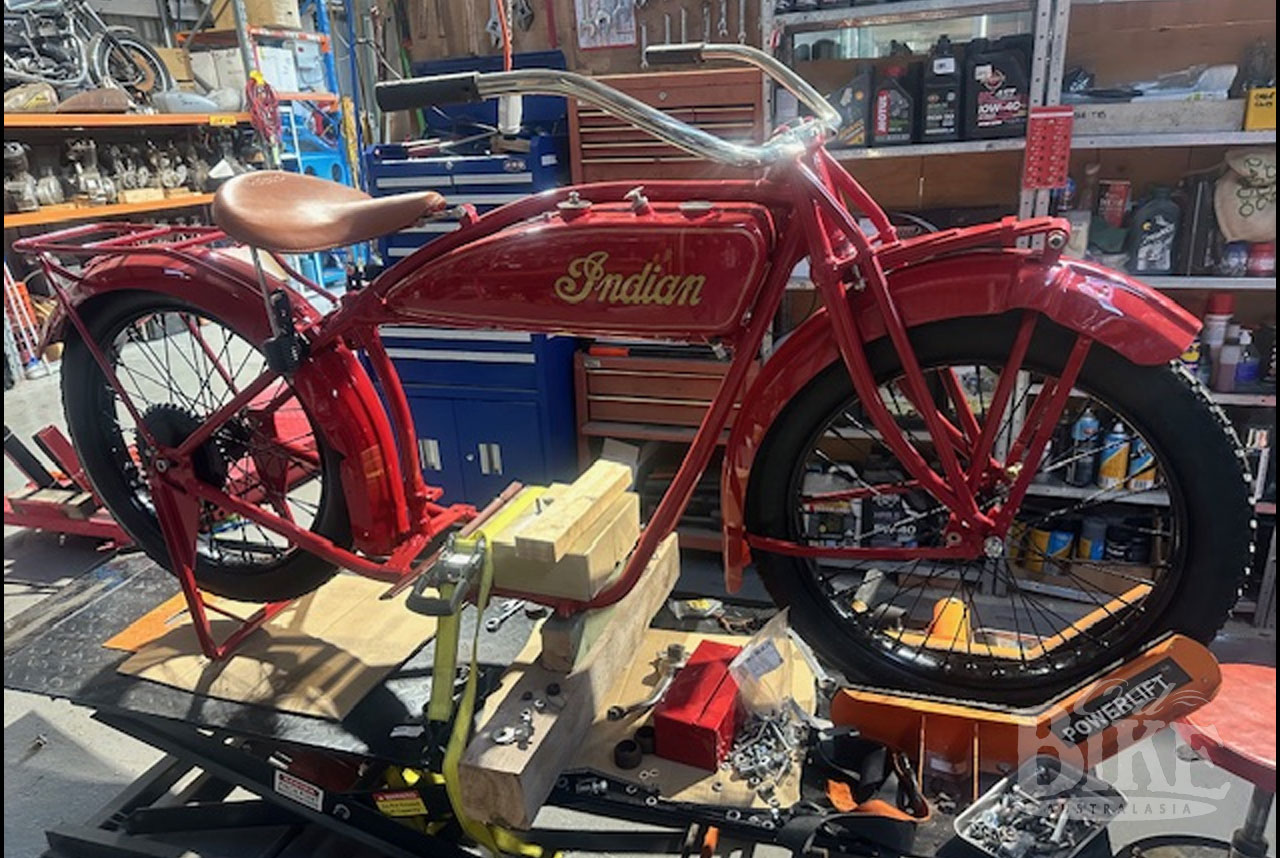
Running alongside all of this is an active restoration workshop. Recent projects have included a first-year 1920 Scout, a 1923 Scout, a 1930 101 Scout, a 1934 Chief, and a 1941 Sport Scout. These hands-on restorations do more than preserve history – they drive the development of parts that simply no longer exist for machines approaching their centenary.
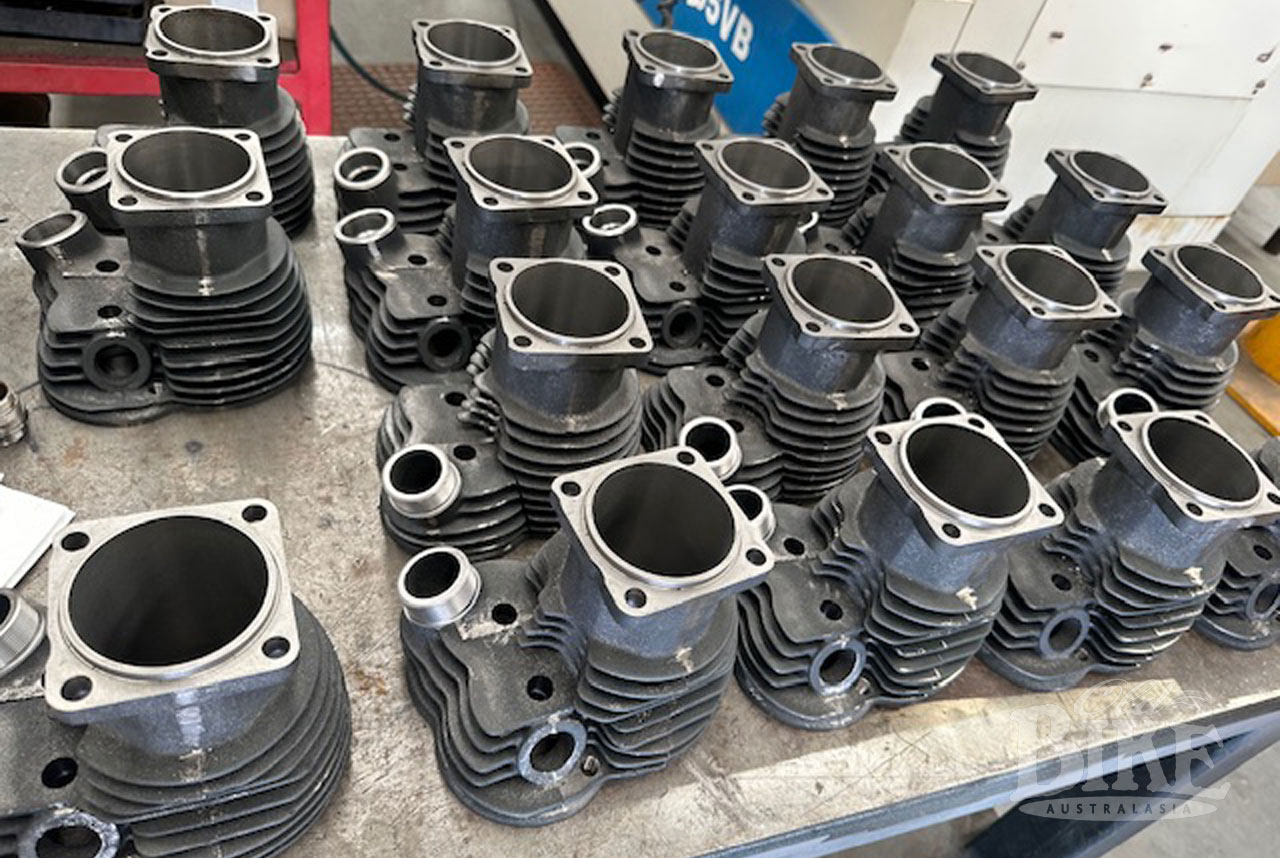
Among the company’s highest-volume lines are 600cc and 750cc cylinders and heads for the early Scout, 101 Scout, and Standard Scout. These components are cast and machined entirely within Victoria to a high standard, and are exported to collectors and restorers across the globe. The broader parts inventory runs to some 3,500 items, covering everything from Scout to Chief and beyond, and is posted regularly to customers throughout Australia, New Zealand, Japan, the United States, and across Europe.
Finding Crazyhorse Indian
For full details and contact info visit the company’s two websites — www.crazyhorseindian.com and www.indianprince.bike