From our Old Bike Archives – Issue 101 – first published in 2022.
Story: Jim Scaysbrook • Photos: Phil Foster, Lou Martin, John Ford, Jeff Nield, Michael Andrews, Leon Faivre.
The Easter Bathurst races had always stuck strictly with tradition; to the point that the Clubmen’s races were constantly being kicked around to accommodate longer duration for the ‘classic’ classes – the 350cc and 500cc solos and the Unlimited Sidecar. So it was not without a great deal of heavy lobbying that saw perhaps the most radical innovation in the thus-far 40 year history of motorcycle racing at Mount Panorama with the announcement that 1979 would see an ‘endurance’ event – of three hours duration – added to the program. To make room for the new race, other races were trimmed of practice and race laps, most notably the Unlimited Grand Prix which came back to 20 laps after the 30-lap re-fuelling marathons of the previous three years.
The push for the event came about due to the growing fascination with similar European races like the Bol d’Or and the Spa 24 Hours, plus the highly prestigious Eight Hour race at Suzuka, Japan. A major factor in getting the event onto the Easter program was the sponsorship from Jim Crombie, head of the Sydney-based London Trading company, through their Arai Helmets brand.
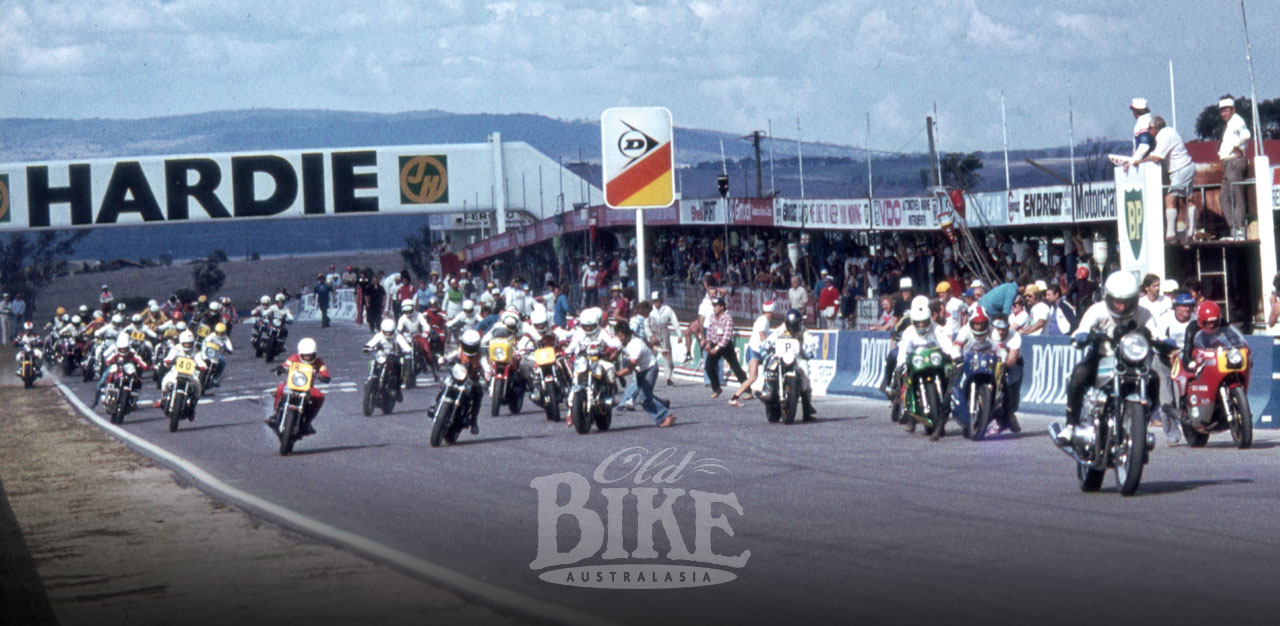
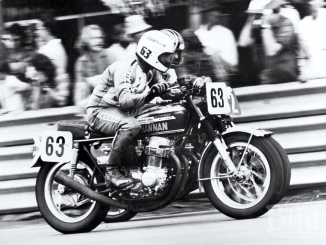
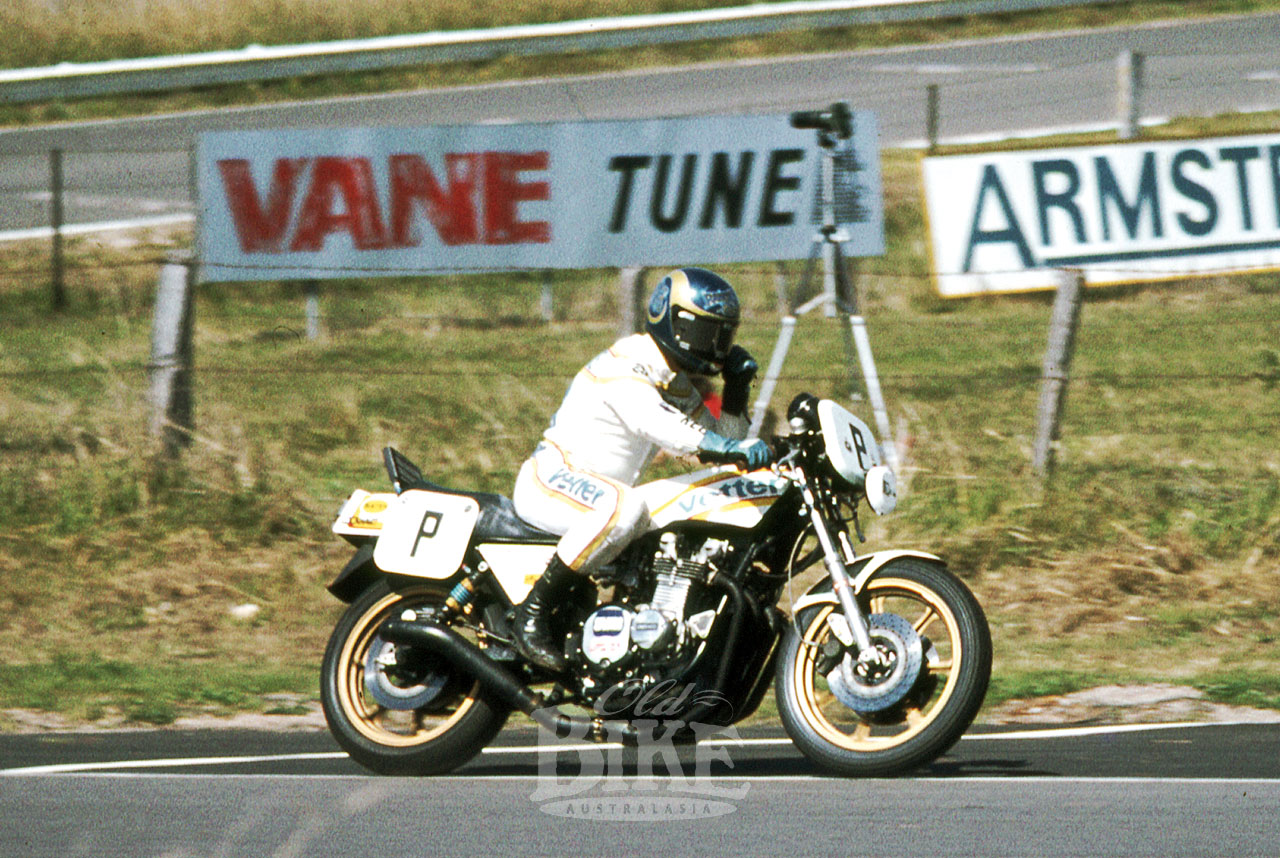
That first event was known as the Arai 3 Hour, but thereafter was run over 81 laps or approximately 500 kilometres, and became the Arai 500. The rules allowed for road-based superbikes called Improved Touring, prototypes (which could be virtually anything with two wheels), and production bikes. Star import for 1979 was Reg Pridmore from the USA who brought with him his 1000cc Kawasaki in AMA Superbike specification. Ranged against him was a formidable entry including Graeme Crosby on the Ralph Hannan-prepared 1100cc Yoshimura Kawasaki and the Team Honda CB900-based bikes for Tony Hatton and Michael Cole.
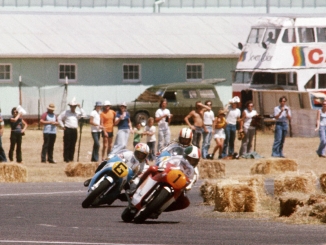
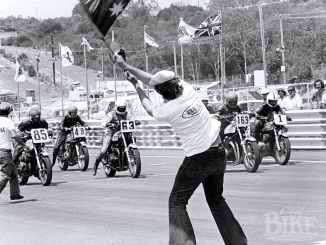
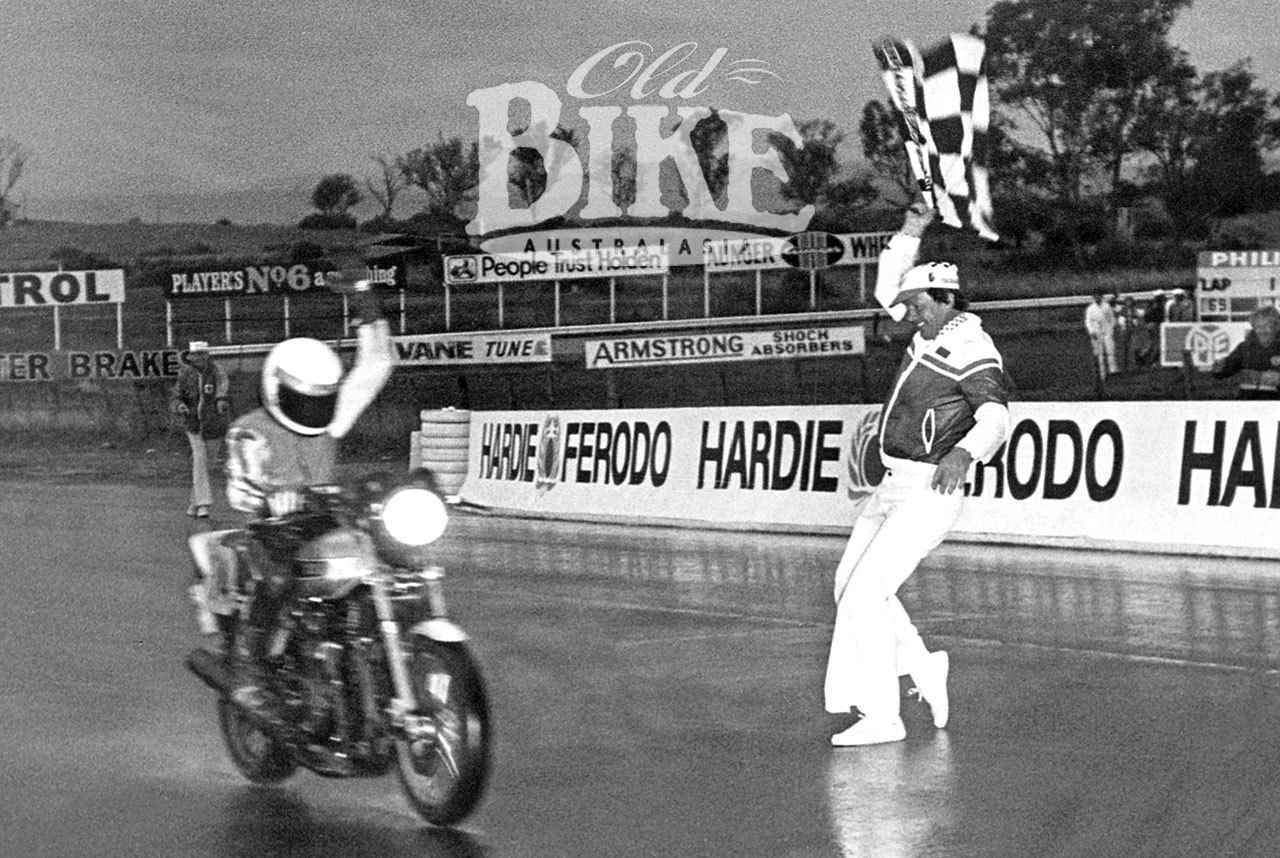
Pridmore showed he wasn’t just here for the holiday by sprinting away from the start at 2.30pm on a sun-drenched Easter Saturday, chased by Roy Denison and Jim Budd. The American’s race lasted just 29 laps, when he dropped the bike at end of Conrod Straight, leaving Denison in a comfortable lead. Cole’s Team Honda machine blew its clutch early in the race, but Hatton’s sister machine circulated like clockwork and was within striking distance as the race headed into its final stages. After his final refuelling stop, Denison had dropped to 50 seconds behind Hatton, who had one more stop to make, but then it began to rain on the mountain. Both Gary Thomas and Jim Budd crashed, both unhurt, but the downpour put paid to Denison’s progress. Hatton made his quick refuelling stop, pleading with officials to stop the race before there was a serious accident, but to no avail. In gathering gloom and darkness, Hatton took the flag from Denison/Parkin and Alan Decker’s Honda CBX.
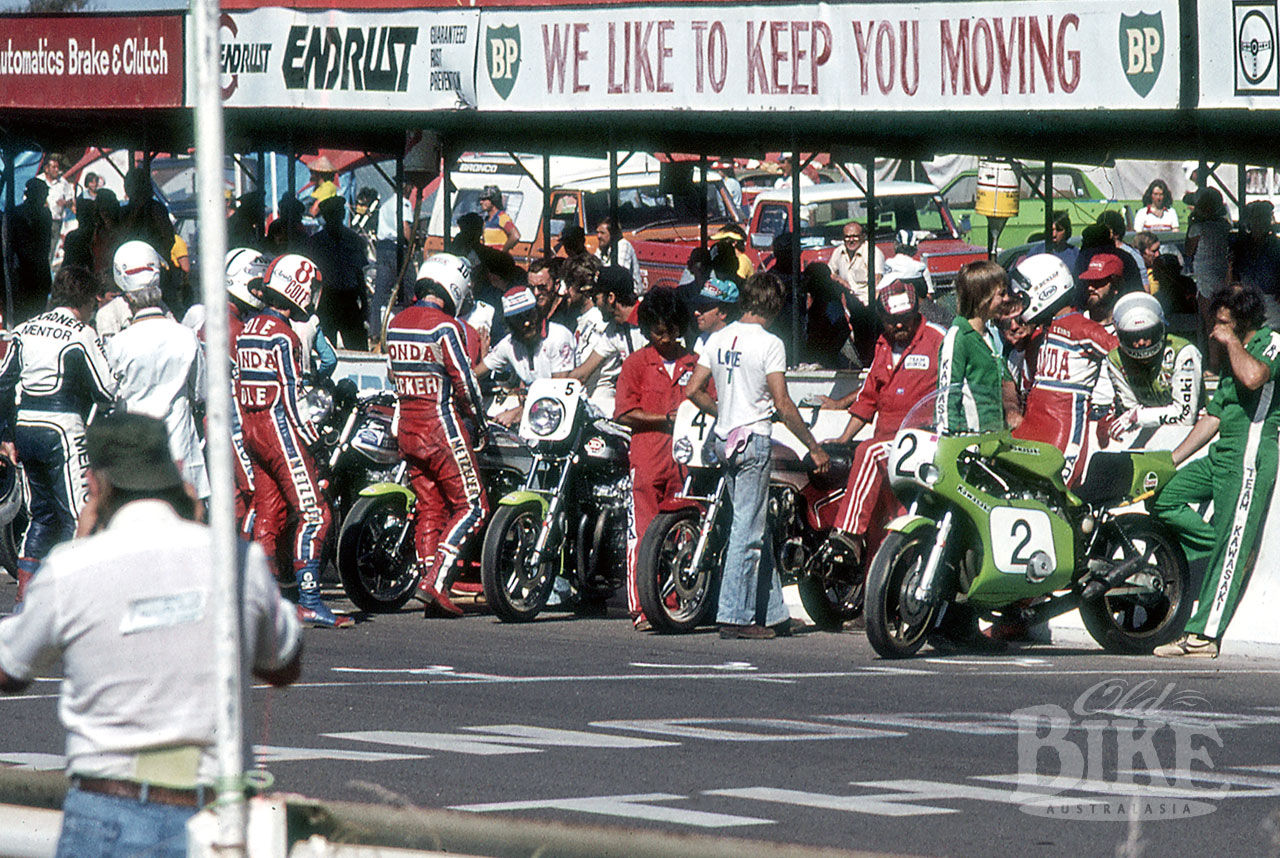
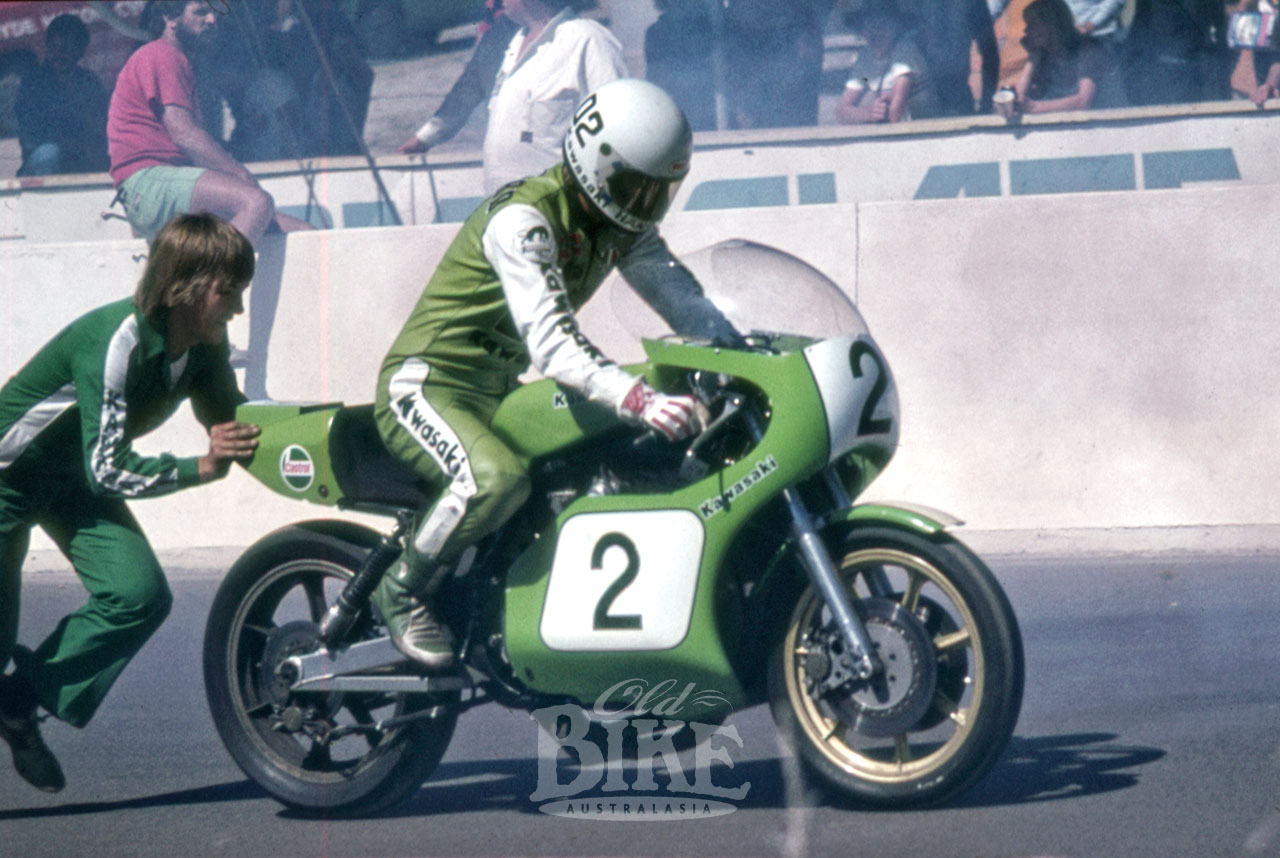
There had naturally been niggling problems, but the inaugural running of the Arai endurance race was generally considered a success, and twelve months later 45 machines lined up for the second event. The entry included three race-kitted RSC Hondas and Gregg Hansford’s works Kawasaki Z1000SR endurance racer. From the start Dennis Neill’s RSC Honda and Hansford made running, pulling away as retirements came thick and fast. Before half distance Neill was out with a broken primary chain, and Hansford handed over to co-rider Jim Budd, who retired soon after with engine woes. This left Cole’s RSC Honda comfortably ahead, and as darkness began to fall the order was given to the remaining runners to switch on headlights. Cole’s lights refused to function, sending him rushing into the pits where chief mechanic Tony Hatton taped a torch in place. 15 minutes later he was back for another one, and he cruised to a comfortable win from the production GSX1100 Suzukis of Gary Thomas and Alan Hales.
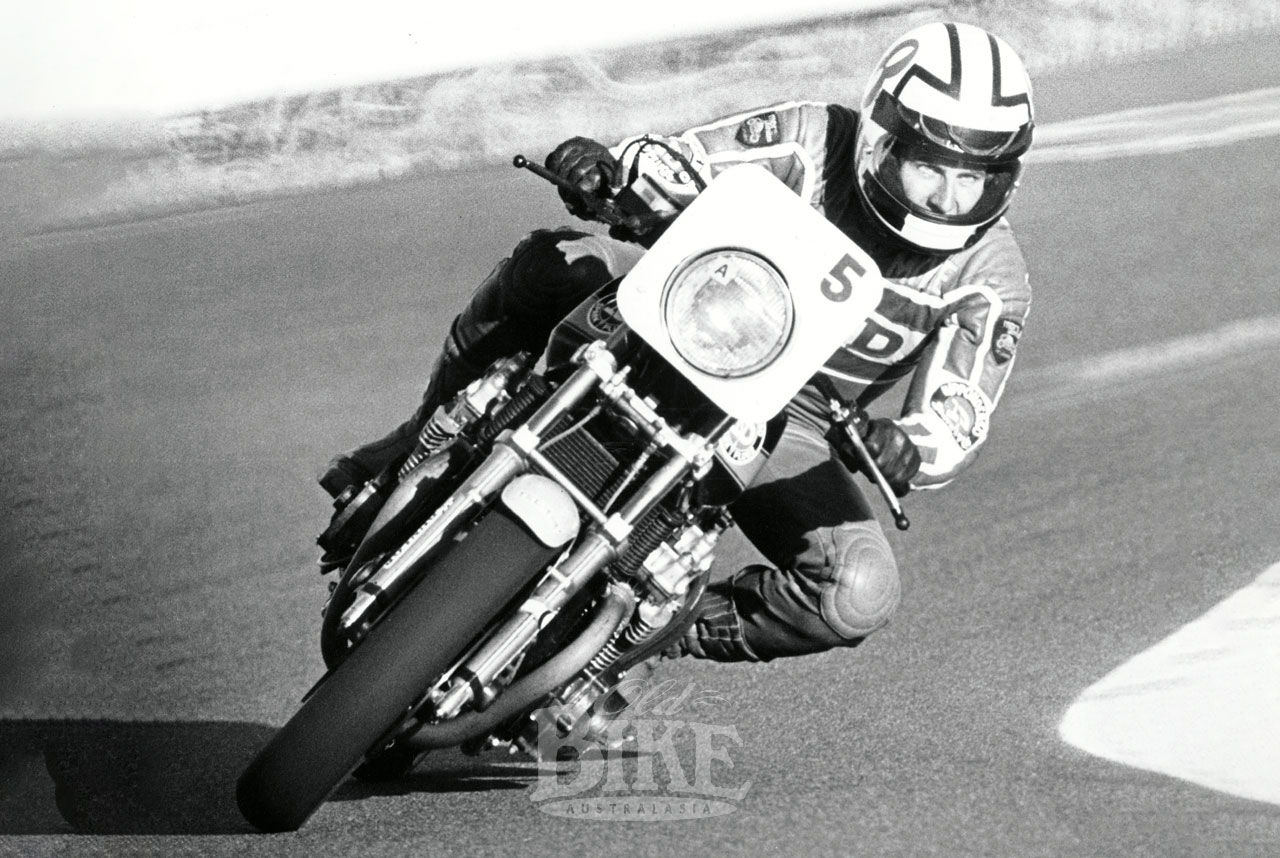
1981 marked the first of the Arai races run over 500 kilometres, and it began with drama when favourite John Pace, on Ross Hannan’s Moriwaki Kawasaki, was forced to make a lengthy pit stop to attend to an oil leak. On the track, Rob Phillis, Greg Pretty and Dennis Neill were hard at it, until Neill suffered a massive accident when his Honda shed its front wheel over the hump in mountain straight. Neill miraculously survived the crash, but his career was finished.
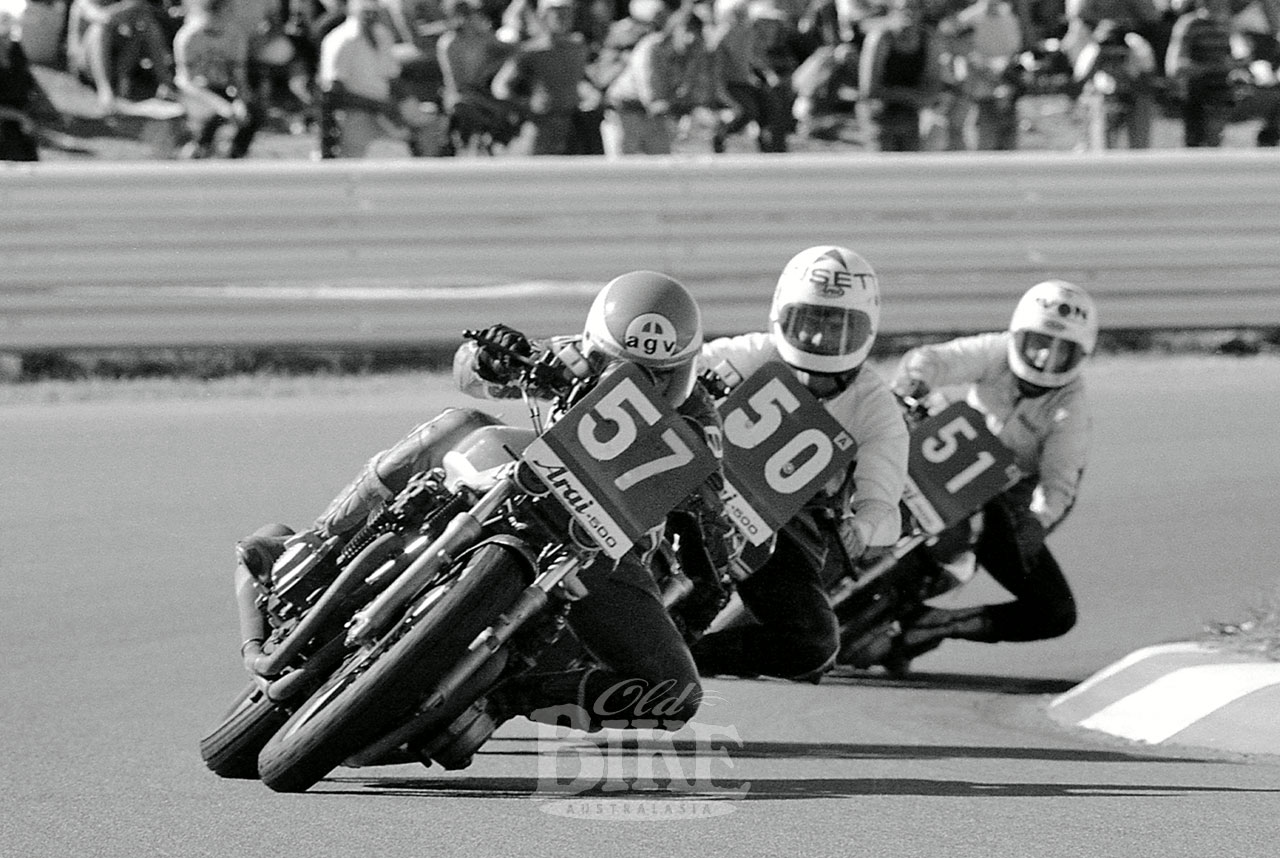
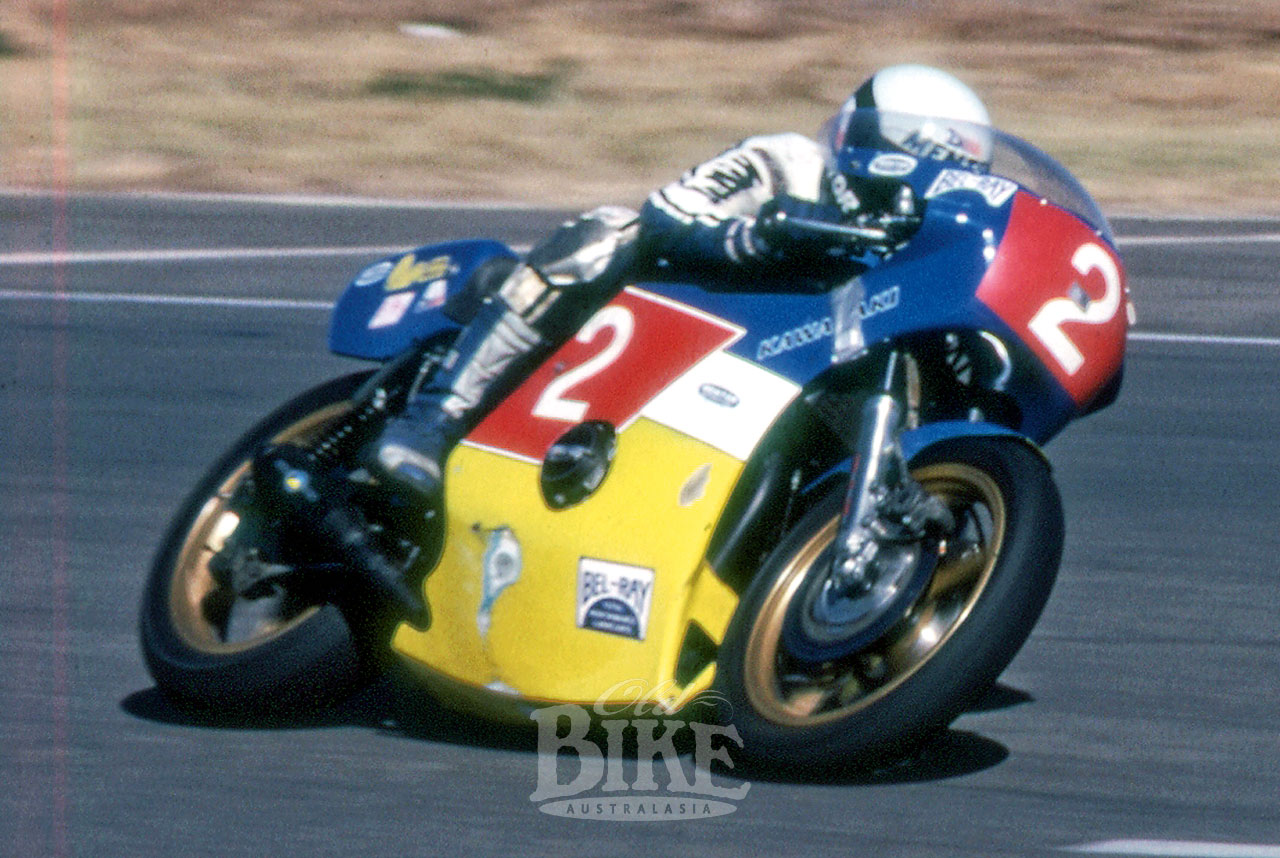
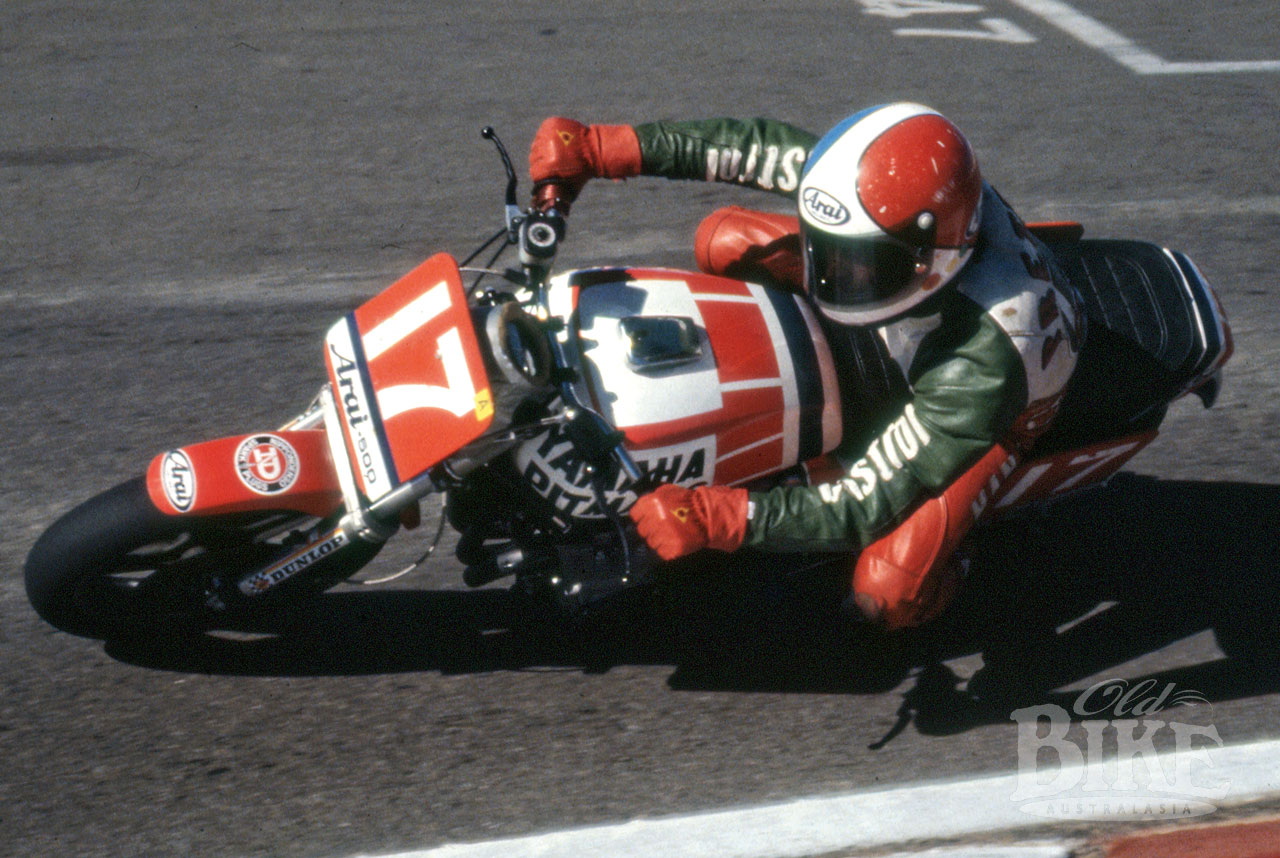
The Pretty/Phillis duel continued until half distance, when Phillis’ Suzuki picked up a piece of rag in the rear wheel during a pit stop, necessitating a further stop and a loss of 60 seconds to remove it. Pretty, on the chain-drive Yamaha XS1100 prepared by Mal Pitman, nursed a worn out rear tyre to a popular win, with Glenn Taylor and Vince Sharp, on Production 1100 Hondas occupying the other podium positions.
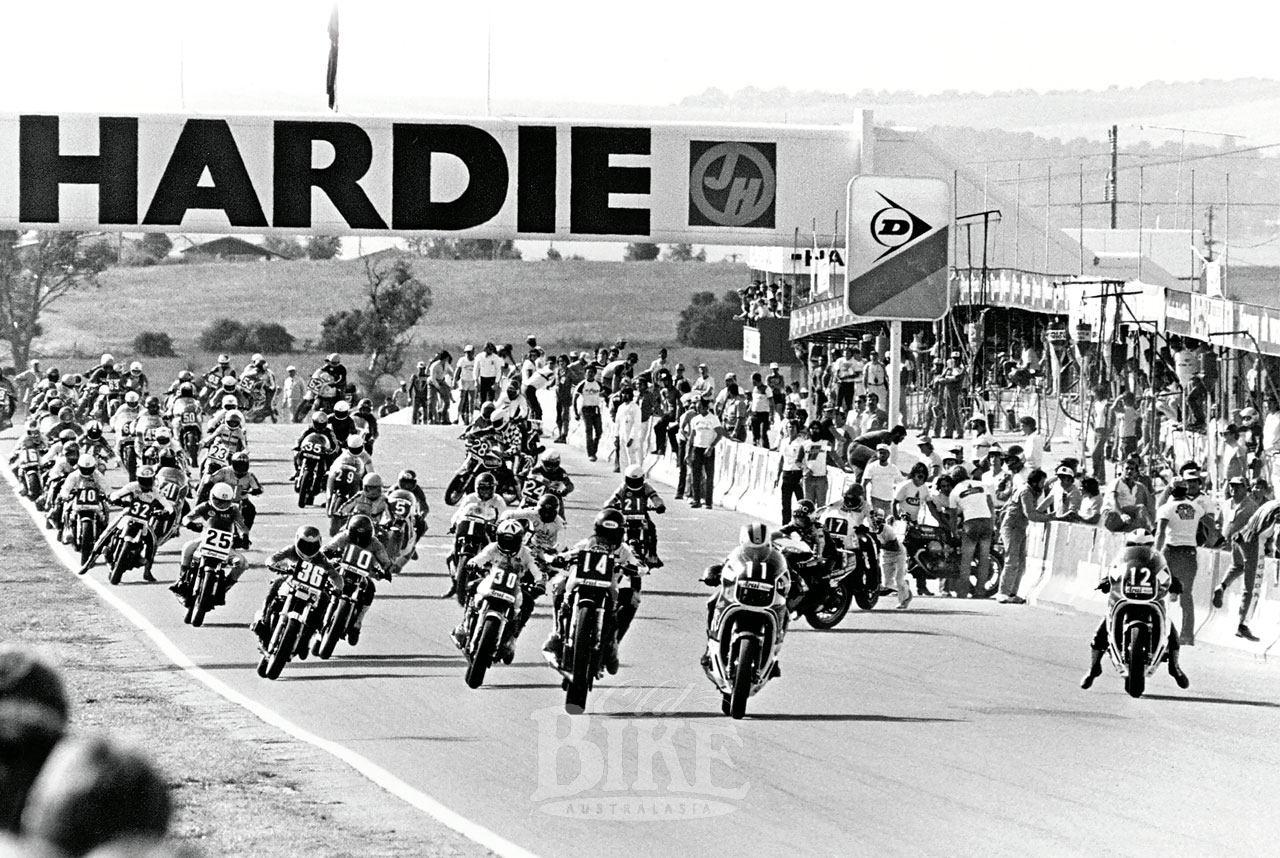
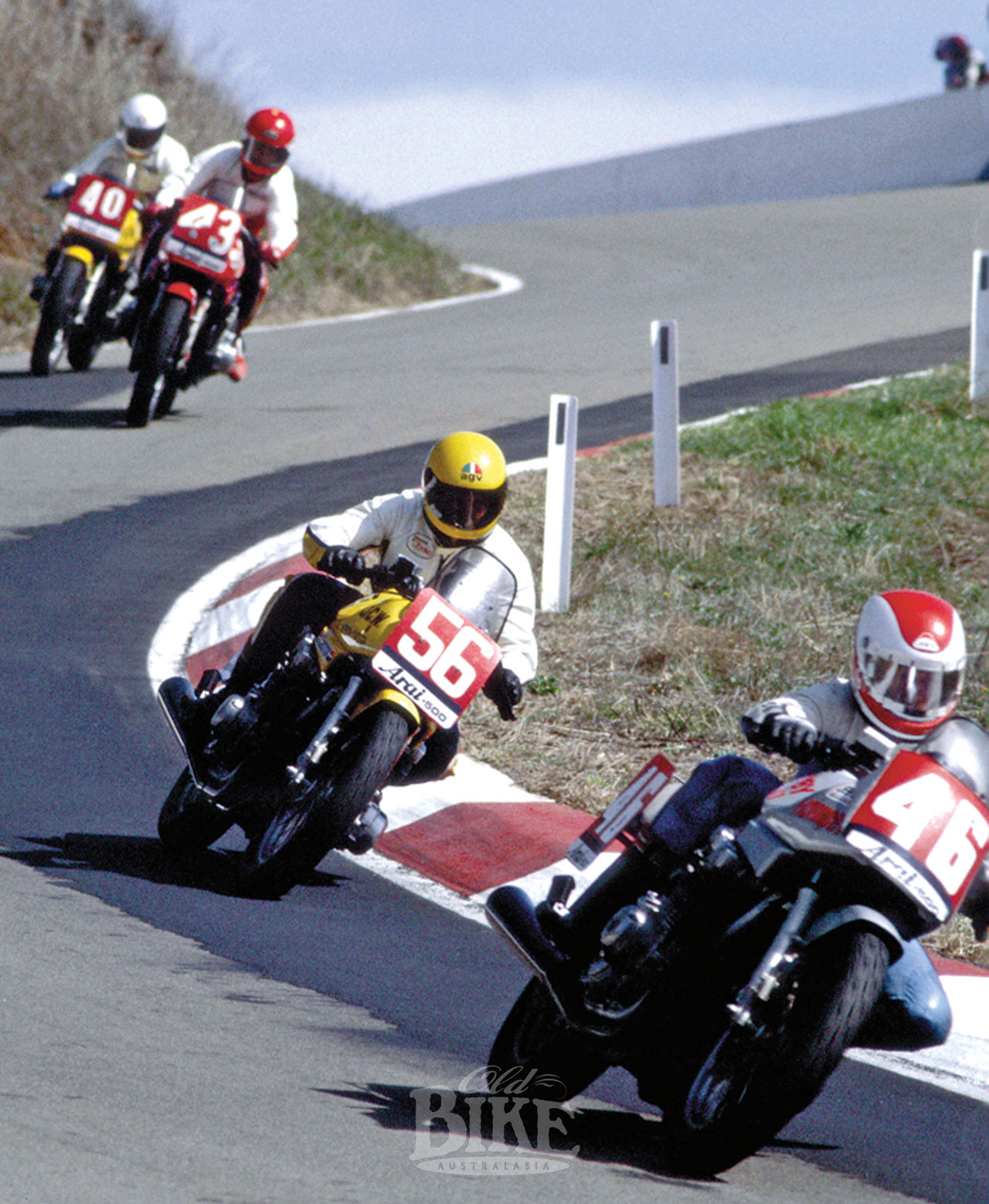
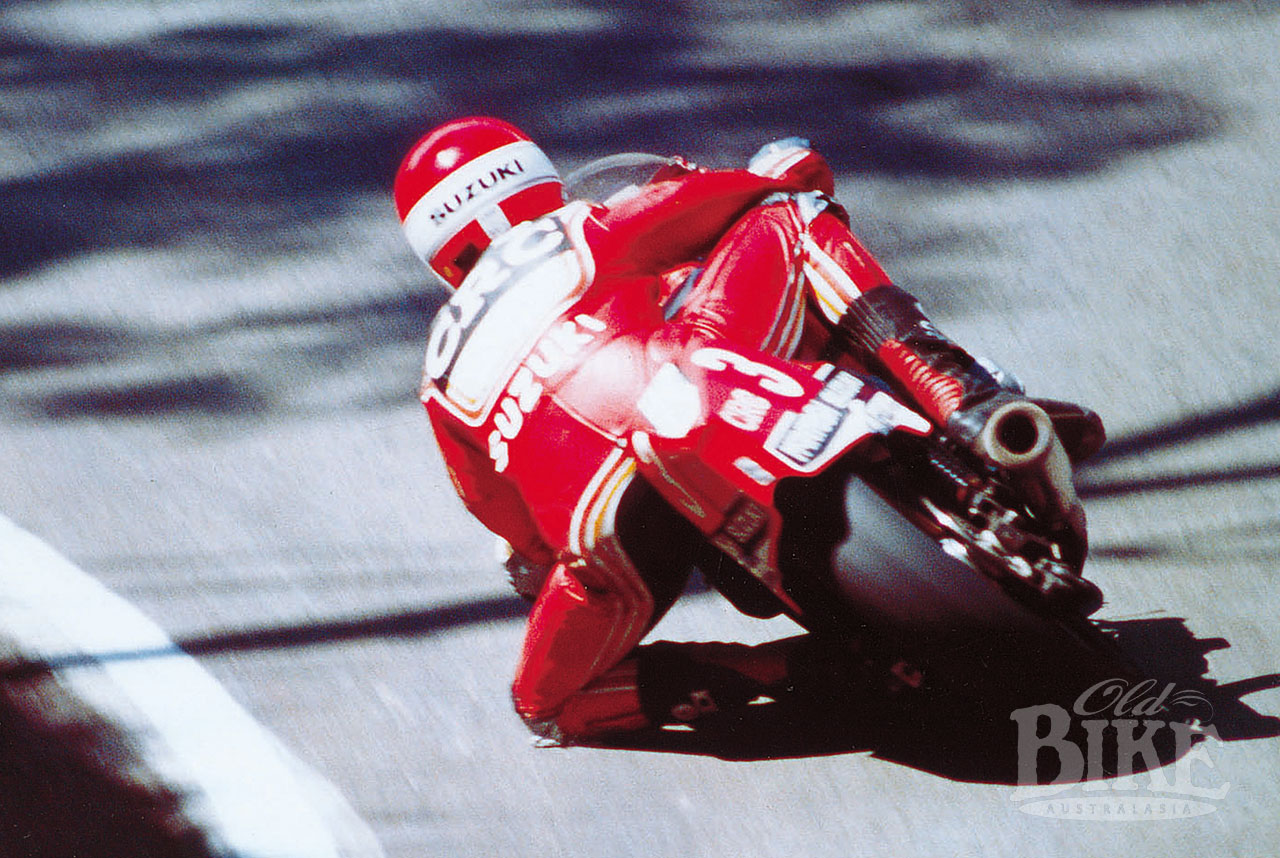
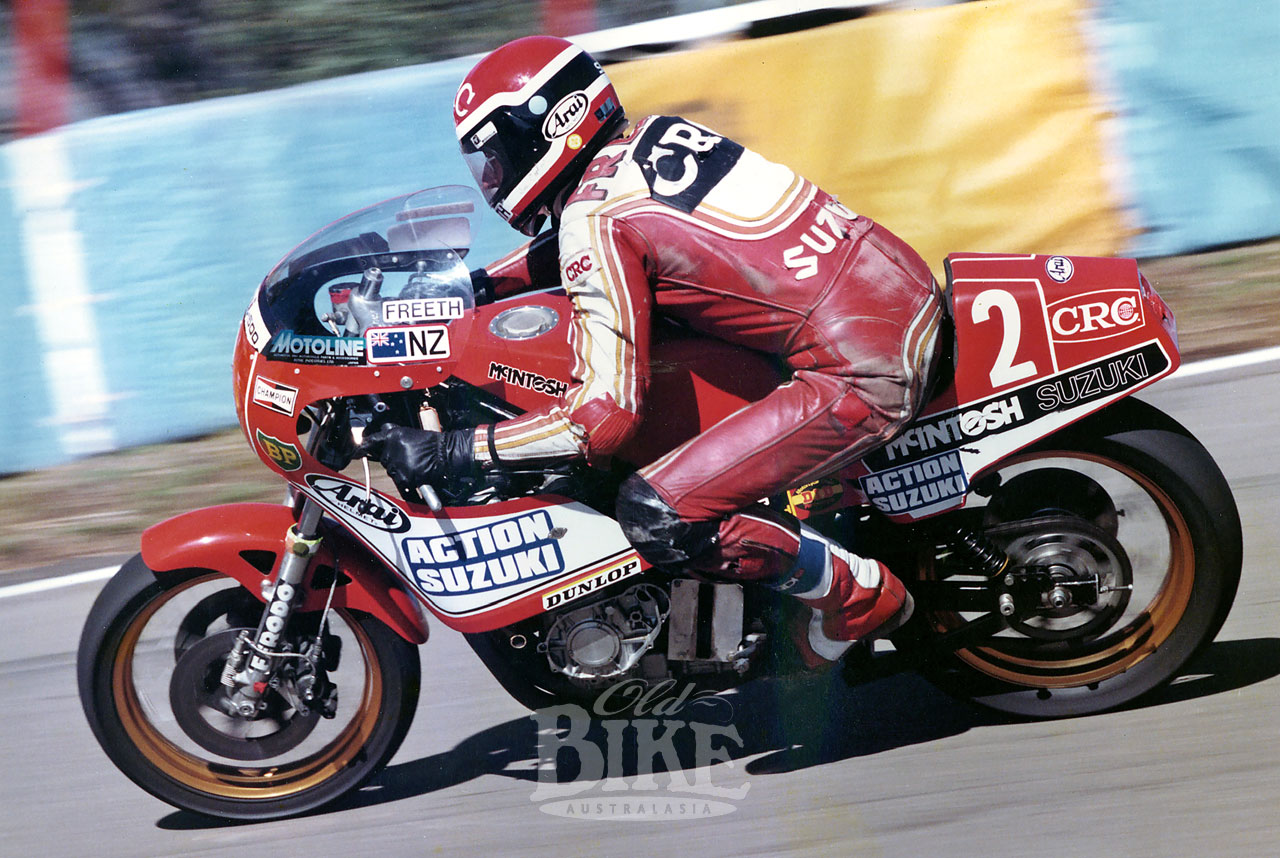
For 1982, organisers moved the Arai 500 to the opening event of the weekend’s program, with sixty teams facing the starter. A furious scrap between John Pace, Andrew Johnson, Rob Phillis, Michael Cole and Paul Fenney ensued from the beginning, but as they dropped out one by one, Kiwi Rodger Freeth, on the McIntosh Suzuki, took over and rode a controlled race to win by two laps from Peter Byers and Wayne Clarke, both on 1100 Hondas.

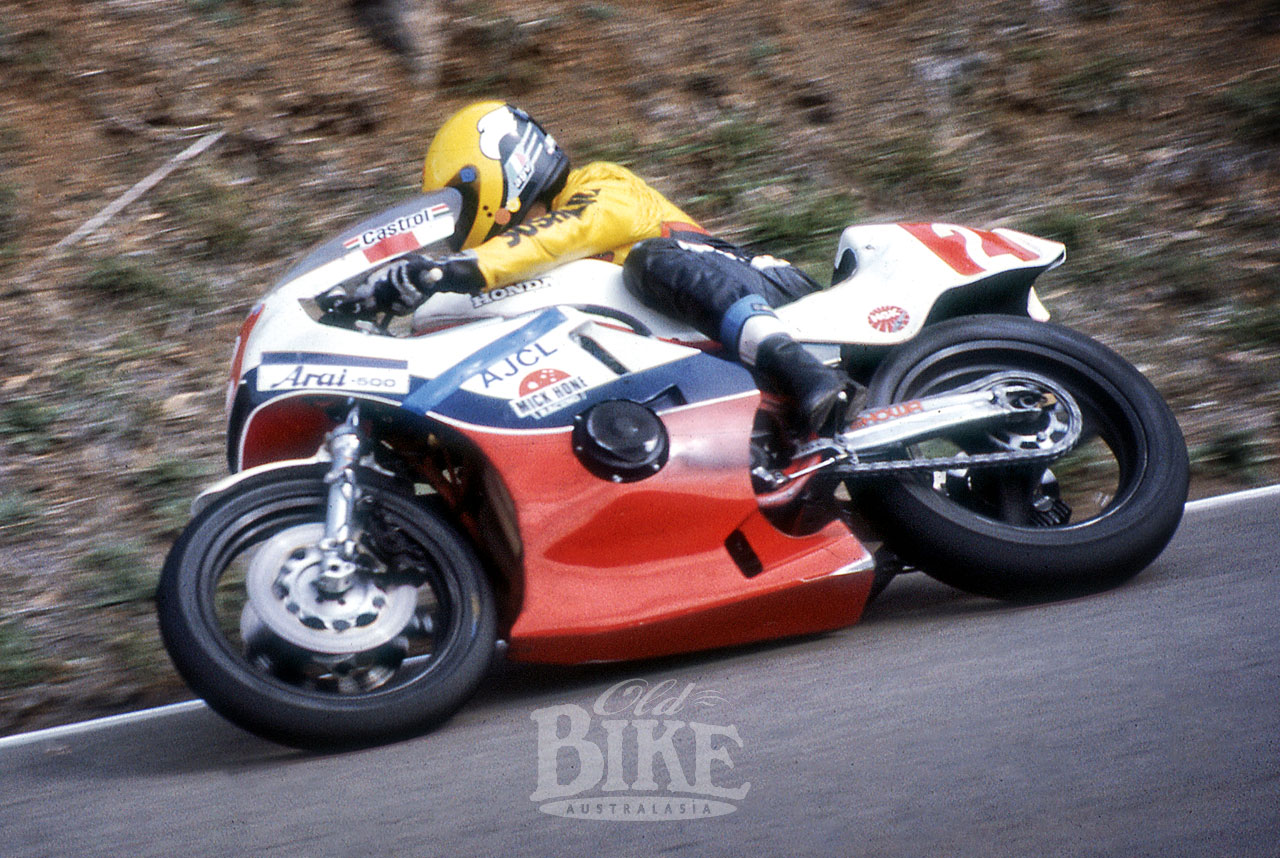
Pre-race publicity for the 1983 Arai 500 centred around the return of Gregg Hansford, who was to ride a Mick Hone Suzuki Katana superbike, but he failed to start after problems with his left leg that was broken at the 1981 Belgian GP. Rob Phillis picked up a last-minute ride on a Team Honda RS1000 Endurance racer, with teammate Andrew Johnson on the VF750 Superbike. It was Johnson who shot into the lead only to suffer a flat tyre after only nine laps, handling the lead to Malcolm Campbell, who threw his Honda away at The Cutting soon after. Phillis inherited a commanding lead, which he maintained to the finish, despite a hard charge to second by Johnson, ahead of Neil Chivas on his Production Suzuki.
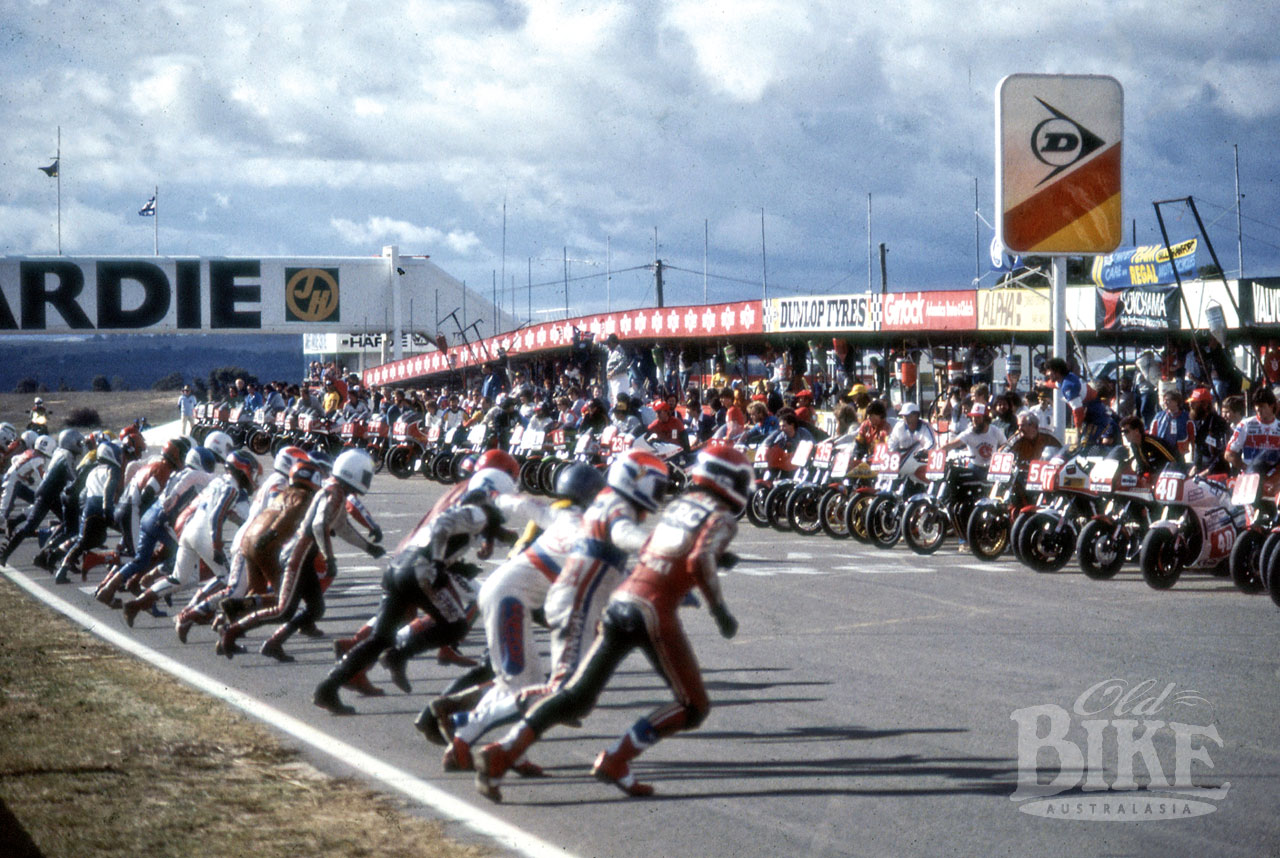

It was finally Andrew Johnson’s turn to stand atop the podium in 1984. 62 teams lined up for the 9.30am start on Easter Saturday, with Johnson and teammate Campbell heading the charge on their VF750-based Superbikes. Fancied runners soon dropped by the wayside either through crashes or mechanical issues, including Phillis, Rodney Cox, and at half distance, Campbell’s Honda. This left Johnson unchallenged and he took the flag after more than three and a half hours of racing, with only 28 of the original field still running. Second was the ever-consistent Freeeth, with Rob Scolyer’s Production Honda VF1000F third.
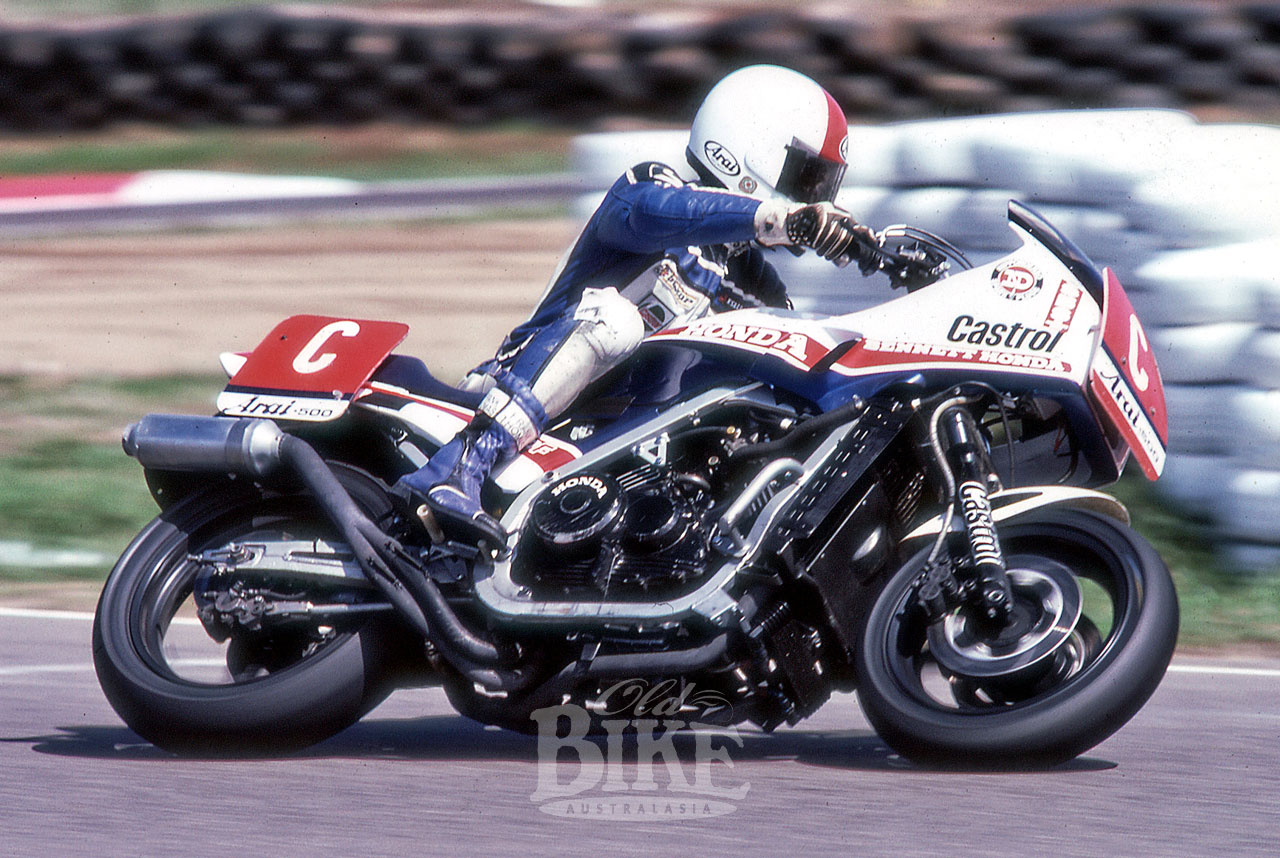

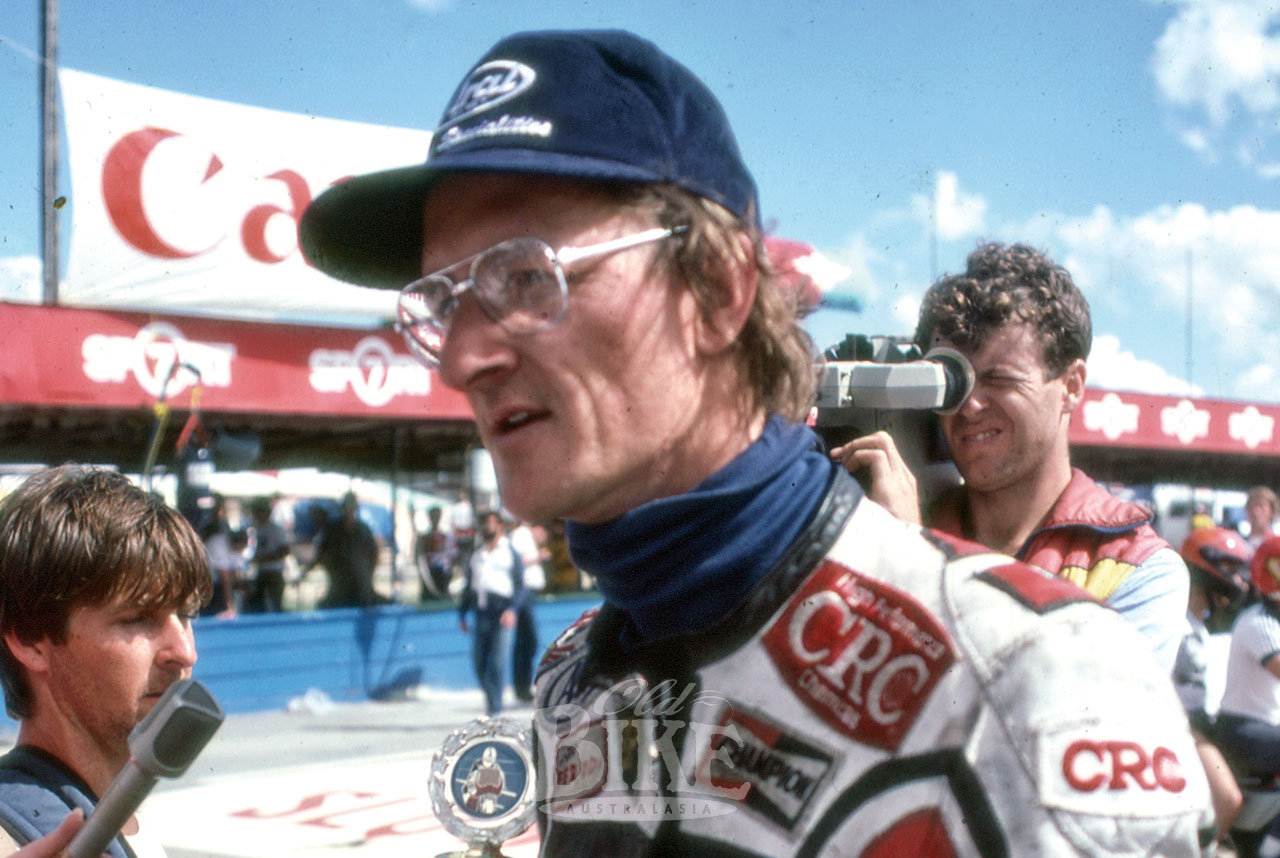
As in 1983, violent clashes between hooligans and police dominated the headlines in 1985, and at one stage it appeared the start of the Arai 500 would have to be delayed while the upper sections of the circuit were cleared of debris after the previous night’s fracas. After a marathon effort, the race did start on time, and all but the first two laps were led by the New Zealand physicist Rodger Freeth, riding the latest single-shock version of the McIntosh Suzuki. Freeth’s mount was fitted with a massive 31.5 litre tank, meaning he would need only two stops against three for his main opposition. This looked to be Malcolm Campbell, until a blown engine stopped the Honda on lap 38. Far behind, the battle for second place raged between the Improve Touring class Kawasaki 900s of Len Willing and Paul Feeney, with Feeney getting the nod. British journalist Matt Oxley impressed with fourth outright.
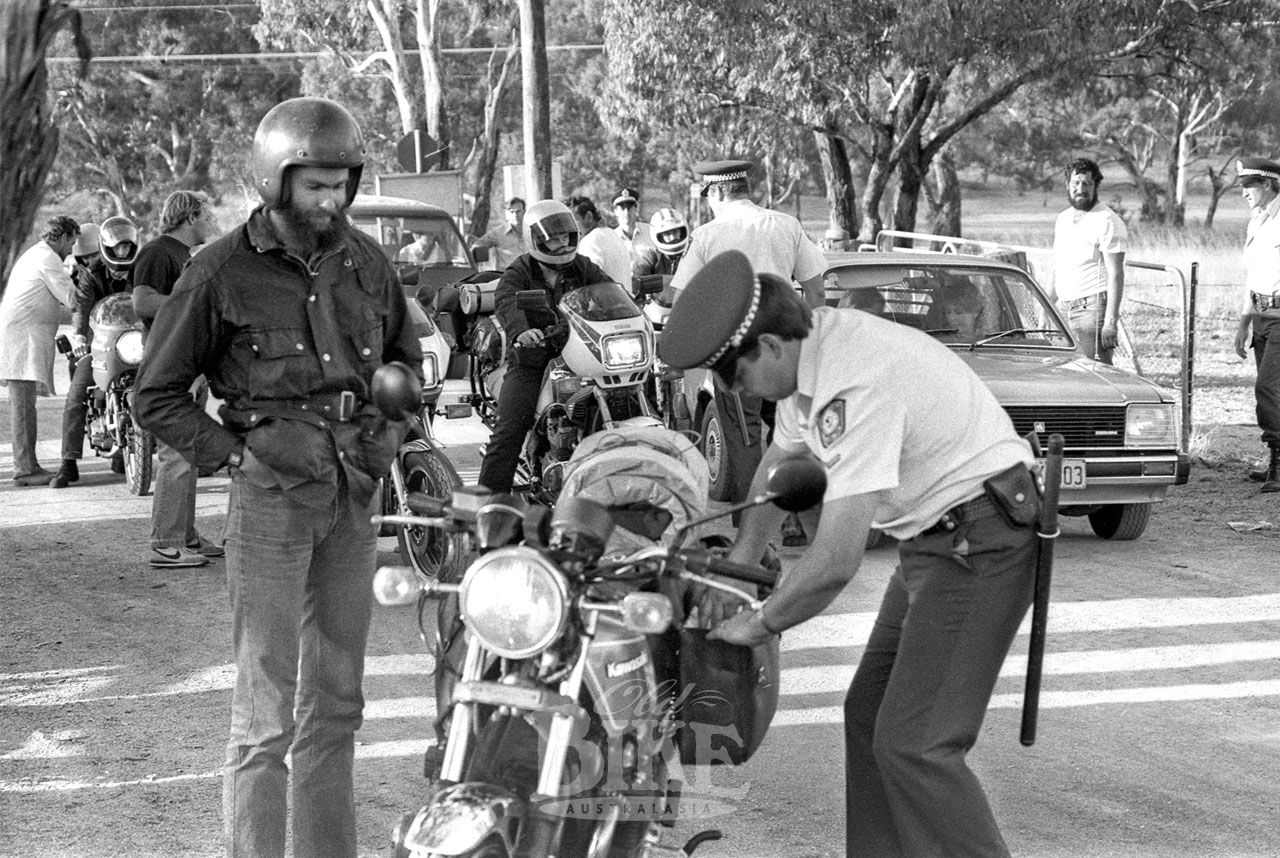

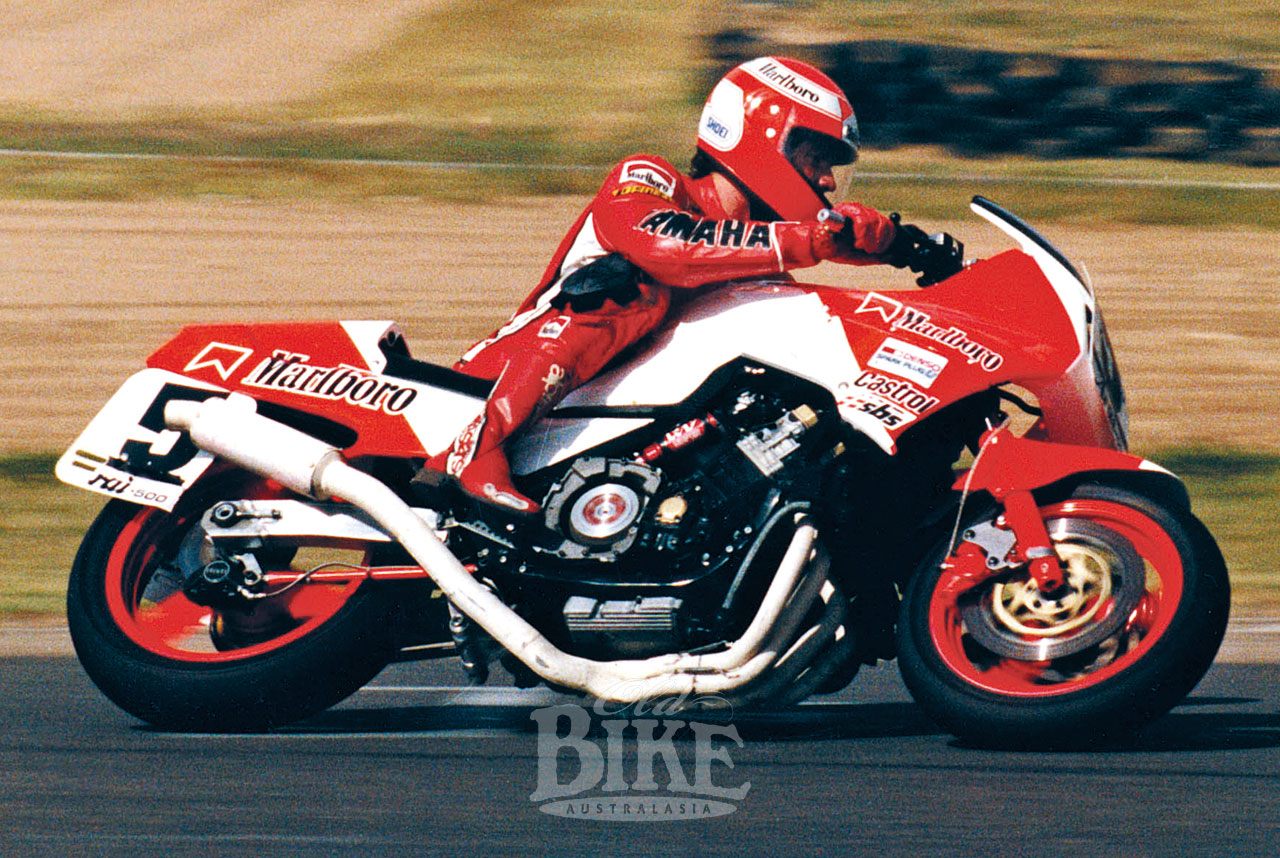
The police’s answer to the 1985 riots was to ban alcohol being brought into the circuit for 1986, resulting in a meagre crowd lining the fences for the 9.30 start of the Arai 500. The traditional system of separate classes for Prototypes, Improved Touring (Superbikes), and Production bikes was scrapped in favour of a single 1000cc limit. The Marlboro Team Yamaha FZR750 Superbikes, with Warren Willing as Team manager, started favourites and true to form it was Michael Dowson into the lead within three laps, ahead of Campbell’s Honda and Kevin Magee on the second Yamaha. By one-third distance the field was coming apart, with Campbell, Willing, Feeney and Cox all in terminal mechanical trouble, leaving Dowson, Freeth and Magee to fight it out. Freeth’s Suzuki blew its engine late in the race, and Dowson’s hopes of victory disintegrated, along with his rear chain. Although he limped to the flag to take second, victory went to Magee, with Iain Pero’s 750 Honda a close third.
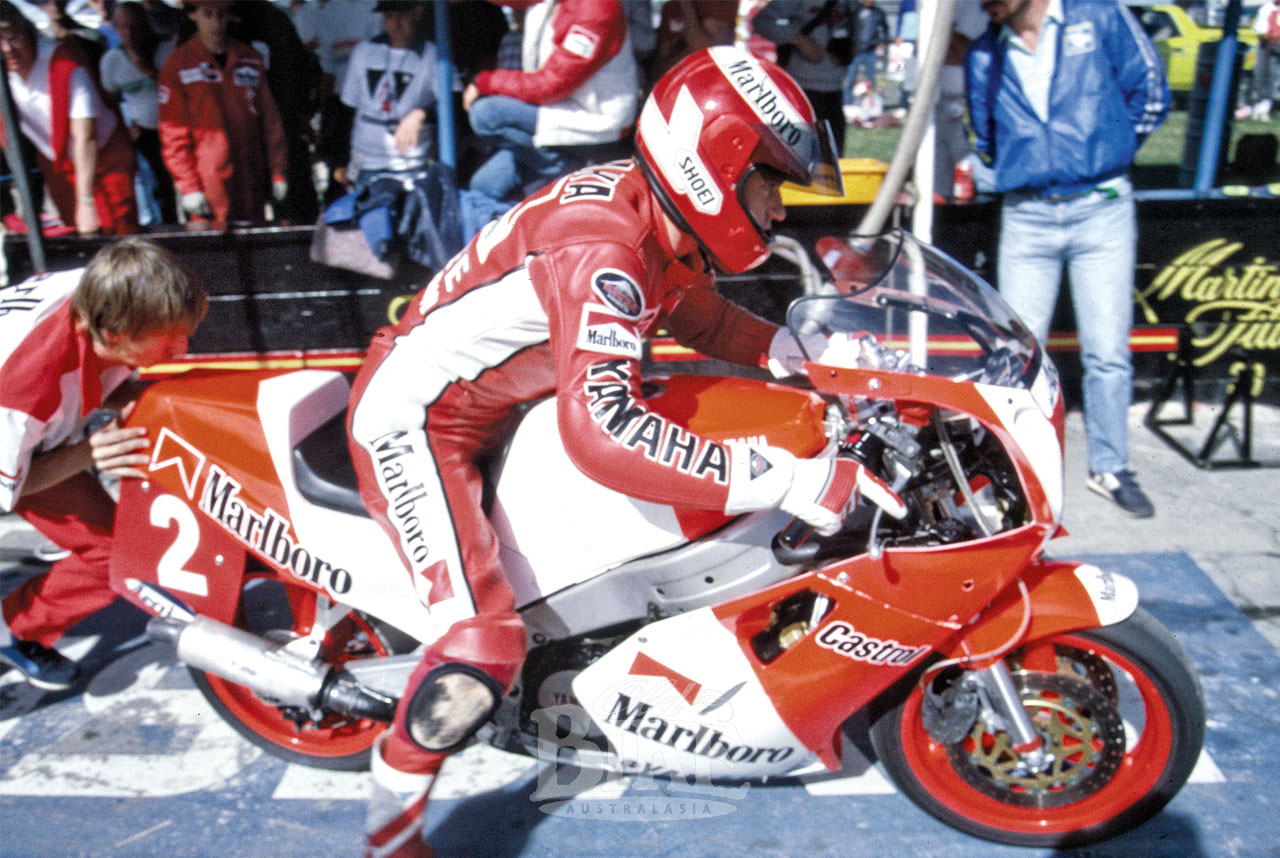

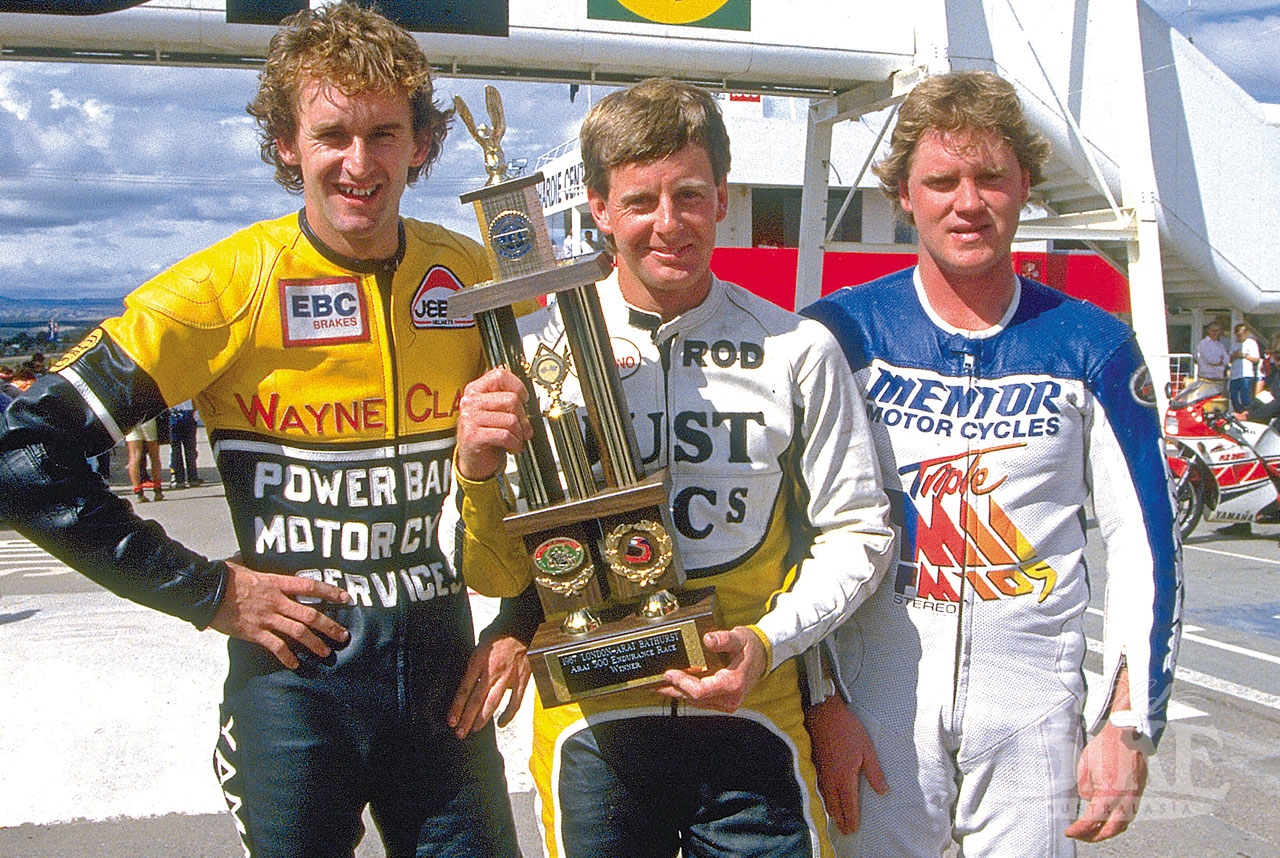
The all-conquering Marlboro Yamaha Dealer Team looked solid favourite for 1987, but there was drama even before the start when Dowson pitted with the engine of his 140hp FZR1000 misfiring. No cure could be found and the bike was retired. Meanwhile, teammate Magee was in front ahead of Wayne Clarke’s Production FZR1000. Magee’s pace was electrifying; consistently lapping close to Andrew Johnson’s outright lap record of 2.13.1. Magee looked to have it in the bag, but soon after taking on fuel all came undone on lap 24. Diving under a group of lapped riders at Murray’s Corner, Magee crashed heavily, fracturing his left femur. Cox took over on his FZ750, winning by a lap from Wayne Clarke’s FZR1000 and Rob Scolyer’s 750 Honda.
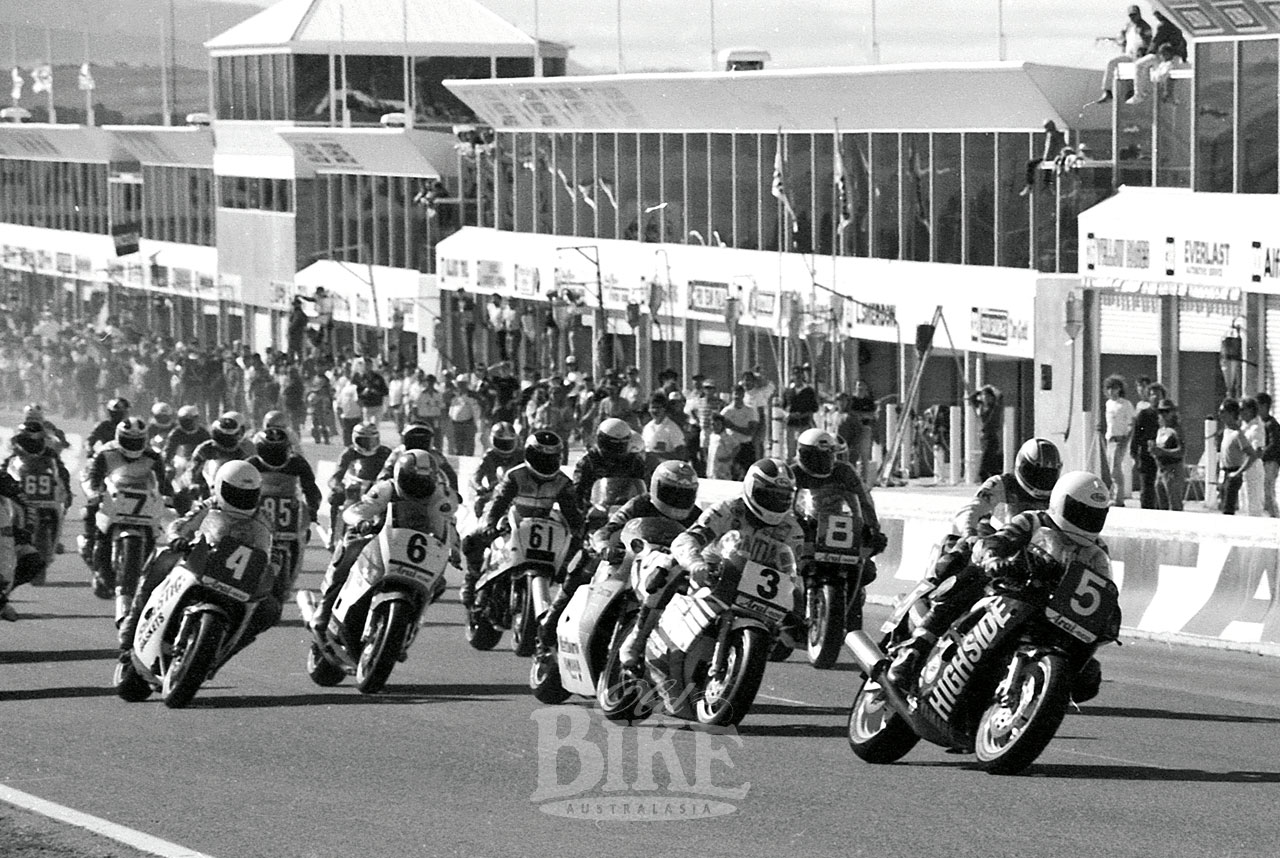
For 1988, the Mount Panorama circuit was 40 metres longer with the addition of the new Caltex Chase on Conrod Straight. The year marked the tenth anniversary for the Arai event and with a total of $14,000 prize money, it was Australia’s richest single motorcycle race. Dowson broke an arm early in the year at Oran Park, and was hampered by the injury at Easter. Consequently, the Warren Willing-managed Yamaha Dealer Team decided to pair Dowson with young charger Michael Doohan, who, according to the editorial in the 1989 Oran Park WSBK Program, “had a reputation for tending to be a bit erratic and for getting to the front and then getting into trouble and crashing”. Not so on this occasion. Much of the race was run in very wet conditions, and when Dowson, in considerable pain, dutifully completed his stint one minute in the lead, he handed the FZR1000 to Doohan who proceeded to produce a virtuoso display on the treacherous surface as rivals crashed out around him. With 20 laps to run, Doohan was a lap ahead, and handed over the Dowson who maintained the gap to the finish, despite an overheating engine. Impressive Kiwi Andrew Stroud brought his FZR1000 Yamaha home second, ahead of Ron Sumskis’ 750 Honda.

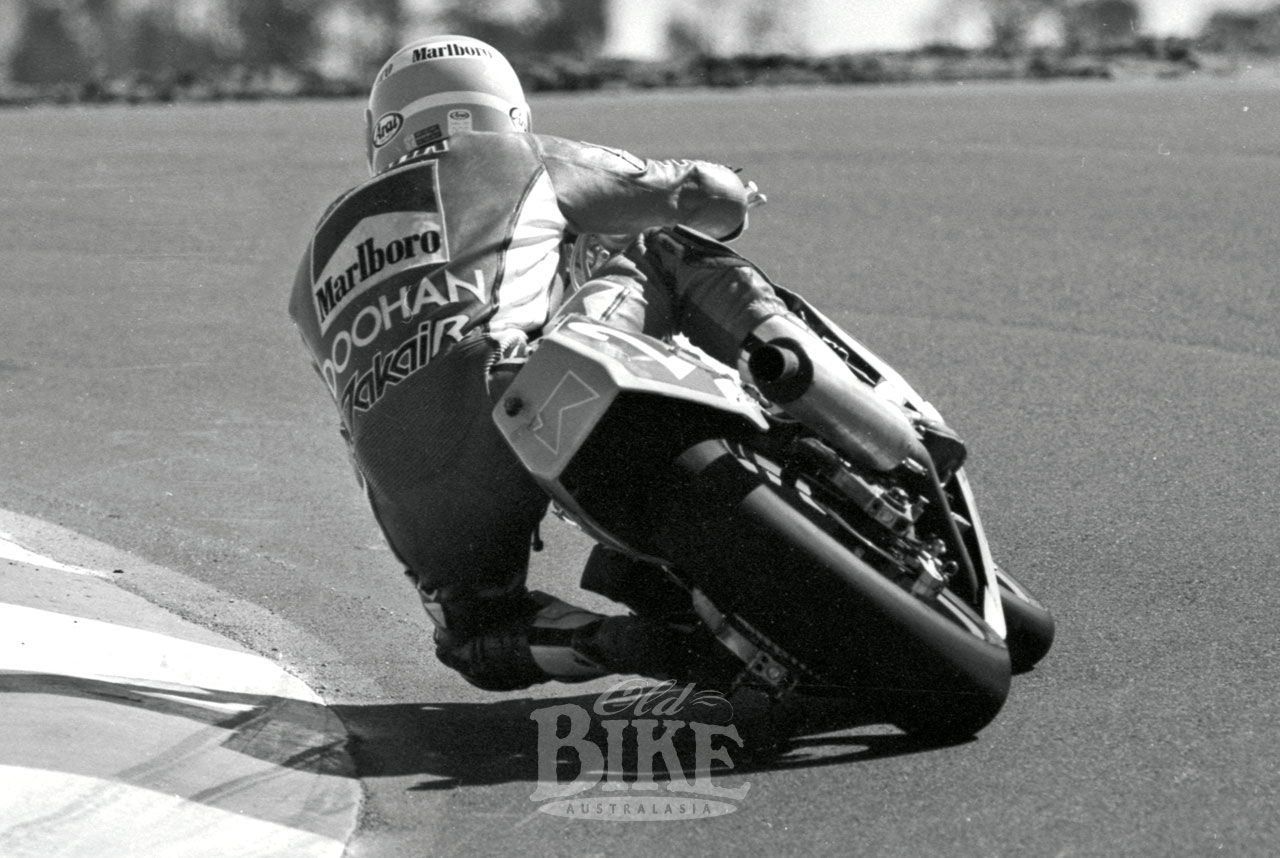
And so the Arai 500, Australia’s richest race, passed into history, because the Easter Bathurst tradition also disappeared with the 1988 event. After half a century as the country’s premier event, Bathurst now had the World Superbike Championship round and the 1989 Australian Grand Prix at the newly-rebuilt Phillip Island to contend with, as well as the on-going safety issues with the circuit itself. It would be four years before motorcycles returned, and then only as a supporting act to a 12 Hour car race.
Arai 3 Hour/500: The Honour Roll – 1979-1988
1979: Tony Hatton – Honda 996cc
1980: Michael Cole – Honda 996cc
1981: Greg Pretty – Yamaha XS1100
1982: Rodger Freeth – McIntosh Suzuki 1100
1983: Rob Phillis – Honda RS1000
1984: Andrew Johnson – Honda VF750
1985: Rodger Freeth – McIntosh Suzuki 1100
1986: Kevin Magee – Yamaha TZ750
1987: Rod Cox – Yamaha FZ750
1988: Michael Dowson/Michael Doohan – Yamaha FZR1000