Story: Gaven Dall’Osto
Philip Edward Irving MBE (1903–1992) was a highly acclaimed Australian engineer and author.
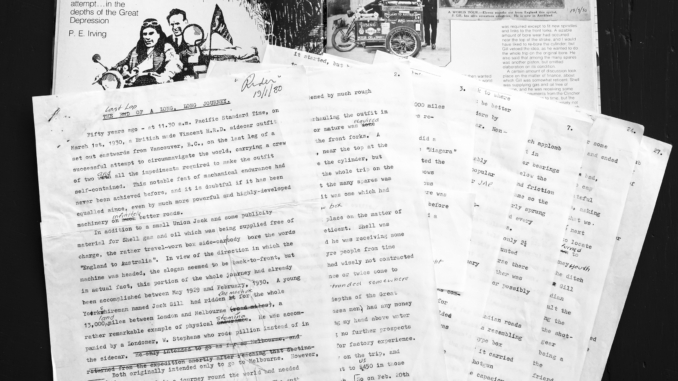
Last year, I was drawn to Donington’s auction of Brian Greenfield’s collection, which featured much of Phil Irving’s personal archive. My own life began much like Phil’s – on a drawing board – but unlike Phil, I developed a passion for motorcycles much later in life. When I did, I began writing motorcycle articles for magazines, just as Phil had done.
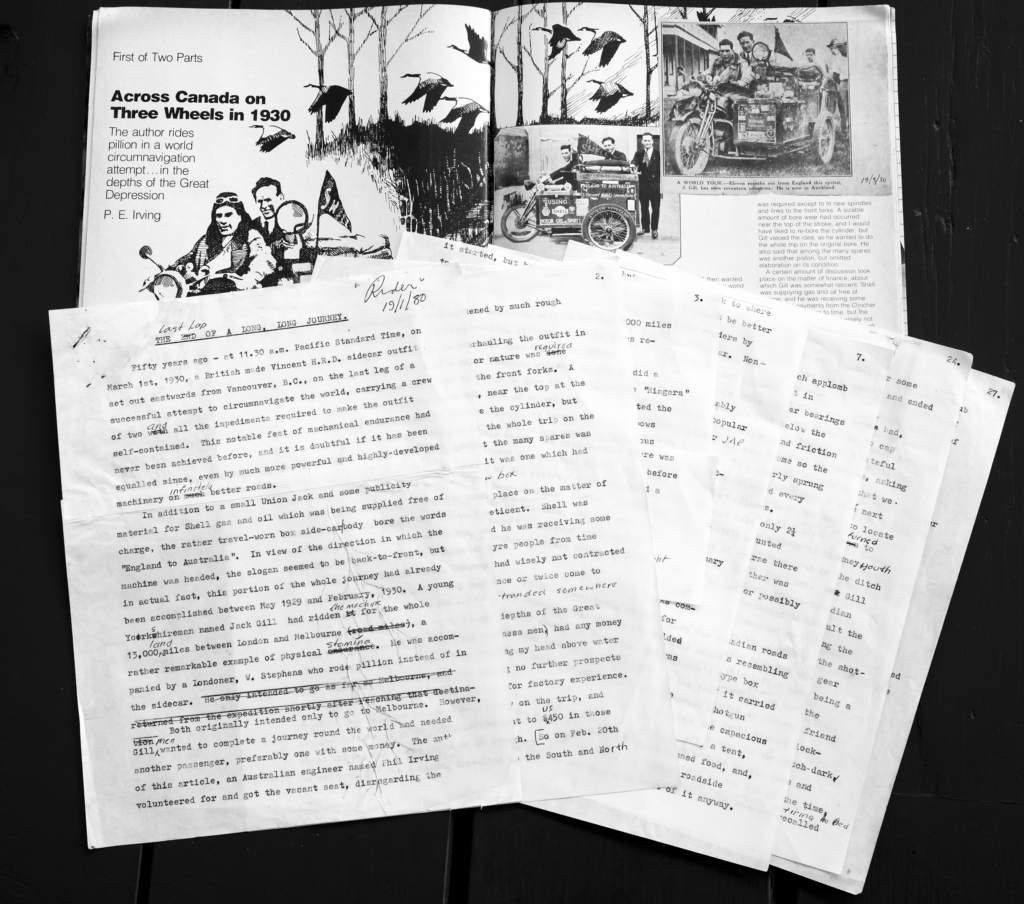
Phil must have kept copies of everything he wrote, and we are fortunate that they found their way to Brian Greenfield, who preserved them until his passing. I was lucky to win a couple of affordable lots from the auction, one of which is the source of this report. Among my winnings was a well-aged manila folder titled ‘PLAIN CARBON’. I imagine it originally contained carbon paper but was later repurposed with the handwritten title ‘Round World Sidecar’. Inside were equally aged, now-yellowed carbon copies of typed reports with handwritten edits of four versions of Phil’s 1930s sidecar journey.
I felt an immediate connection, as I too tailor different versions of my reports to suit the genre of the magazines I write for.
The Reports
The title page of one stapled report was missing, but the others were titled:
- “FROM AUSTRALIA TO ENGLAND BY VINCENT H.R.D.”
- “STEVENAGE DAYS (AND NIGHTS)”
- “THE END (corrected to LAST LAP) OF A LONG, LONG JOURNEY”
There were also some loose pages, and quite a few were missing from the stapled sets. I searched Trove for any newspaper reports of Phil’s sidecar journey but found none.
Report 1: “FROM AUSTRALIA TO ENGLAND BY VINCENT H.R.D.”
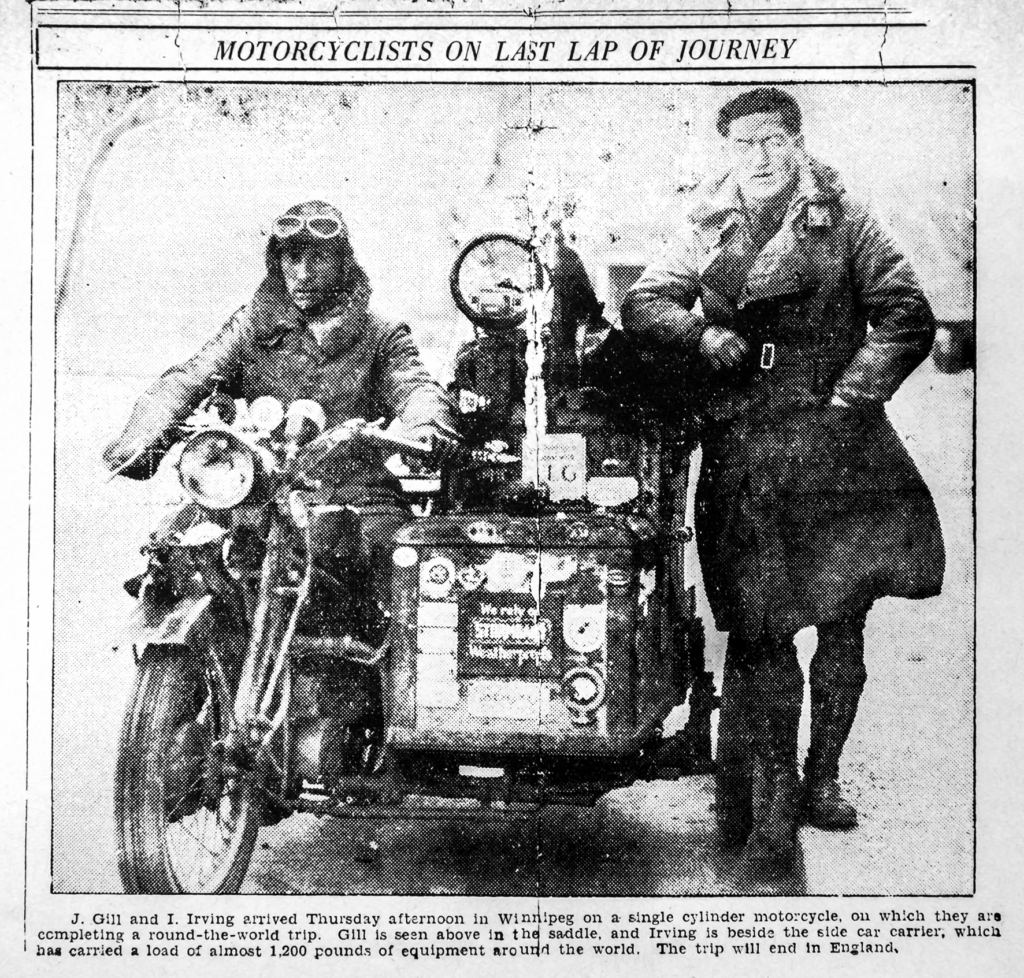
This document begins in Melbourne, Australia, at the start of the Great Depression. Phil, then 26 years old, had just completed work on a kerosene-powered single-cylinder engine for a road roller. With no future work in sight, he seized the opportunity to join Jack Gill, who was continuing a 12,000-mile journey on a Vincent and sidecar that had just arrived from the UK.
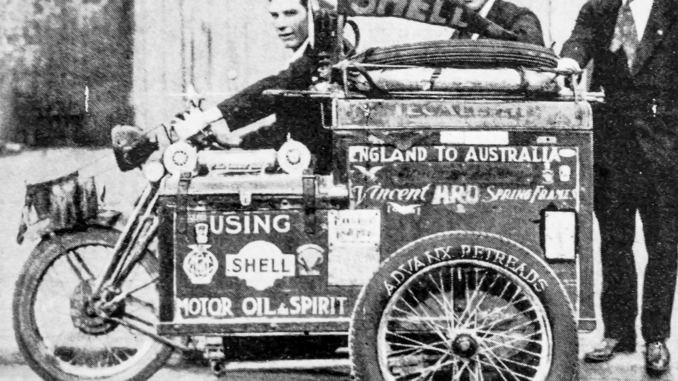
Phil explains how he was eager to advance his career in the heart of motorcycle manufacturing – the UK. To fund the journey, he sold his 350 A.J.S. for £70 and a 250cc ex-racing Velocette two-stroke for £45. The outfit was a 600cc J.A.P. single-cylinder Vincent H.R.D. with a London-built Noxall sidecar. The sidecar was fully loaded with gear, relegating the passenger to the pillion seat – a Tan-Sad seat suspended by four coiled springs on the rear mudguard. Phil described it as a very uncomfortable ride.
After overdue maintenance, they set sail on the Maheno for Bluff, New Zealand, on February 20, 1930. Despite rough seas that had Phil fearing for their survival, the New Zealand leg of the journey was pleasant. Locals, motorcycle clubs, and others offered free accommodation and meals. Their fame even earned them appearance money at a local speedway.
Phil recounts stumbling upon an air pageant for Sir Francis Chichester after his solo flight from England and meeting Irish speedway star Fay Taylour, whose Douglas motorcycle Phil had looked after in Melbourne in 1929. They were also hosted by Percy Coleman, a prominent grass tracker, who arranged a gathering of “the boys” in Wanganui.
While waiting three weeks in Auckland for the ship Niagara to transport them to Vancouver, a local retread company, Advanx, re-treaded all their tires for free and paid them £10 to use a photo of the outfit in an advertising campaign. Unfortunately, subsequent pages of this report were missing.
Report 2: “STEVENAGE DAYS (AND NIGHTS)”
This report provides a concise version of the journey, jumping to their arrival in Liverpool on July 5. They proceeded to Jack Gill’s house in Bradford, where they parted ways “without regret on either side,” only to reunite at the Vincent factory. There, they met Managing Director Frank Walker and Technical Director Philip C. Vincent.
Phil’s main concern was recovering some of the money he had spent on fares, but he only managed to obtain a signed note from Gill promising to repay £30 – money he never saw.
Phil sought employment at A.J.S., where he was well-received due to his Antipodean racing and trials success. However, the visit was fruitless, apart from an unscheduled glimpse of the 1000cc O.H.C. V-twin being constructed for a world speed record attempt. He later gained a job at Velocette’s drawing office, where he befriended the legendary Harold Willis and discussed the idea of a supercharged KTT Velo.
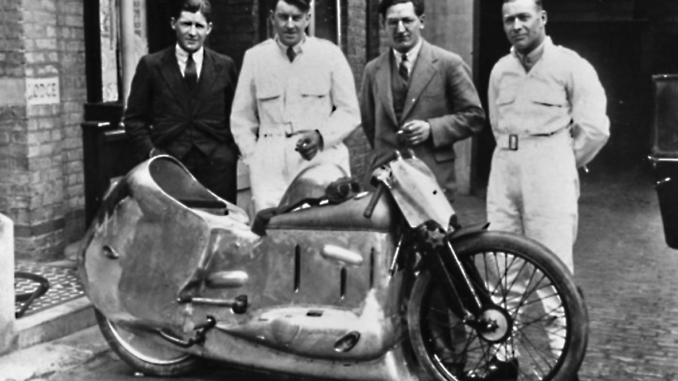
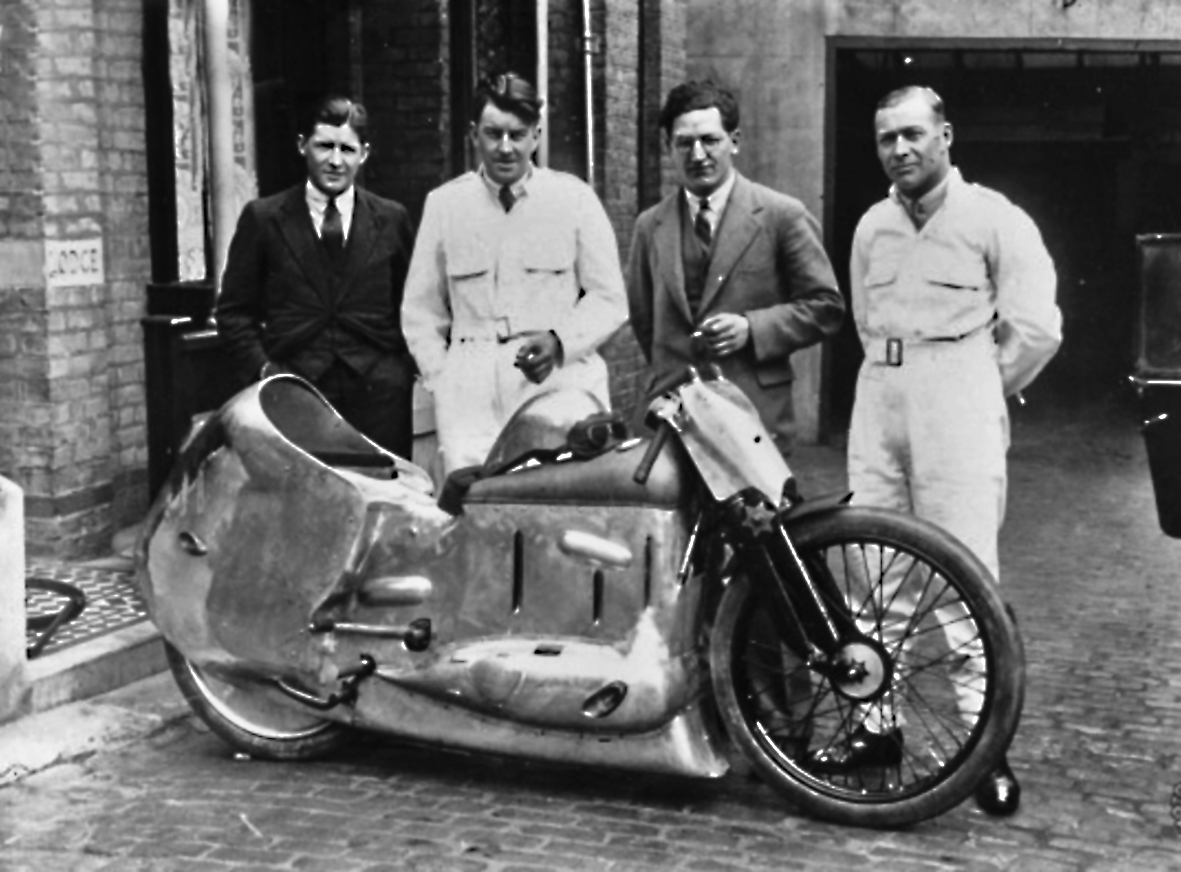
Phil returned to London to join three Aussies in building a supercharged Brough Superior J.A.P. for a world speed record attempt. The result, Leaping Lena, achieved the record as an outfit.
Report 3: “THE END (corrected to LAST LAP) OF A LONG, LONG JOURNEY”
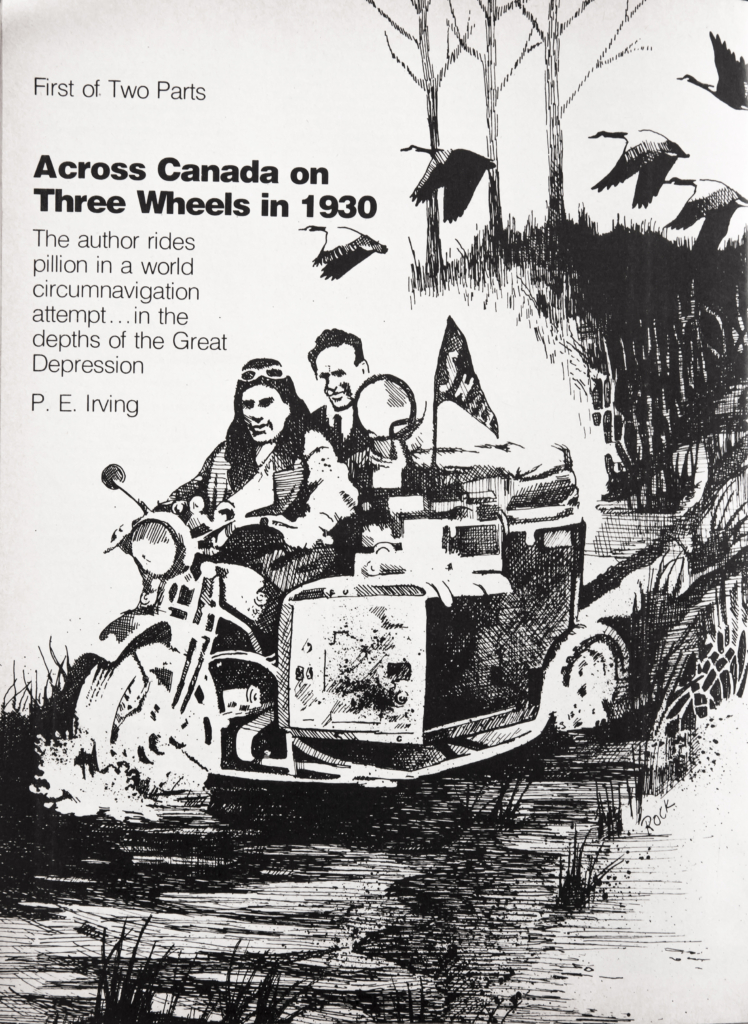
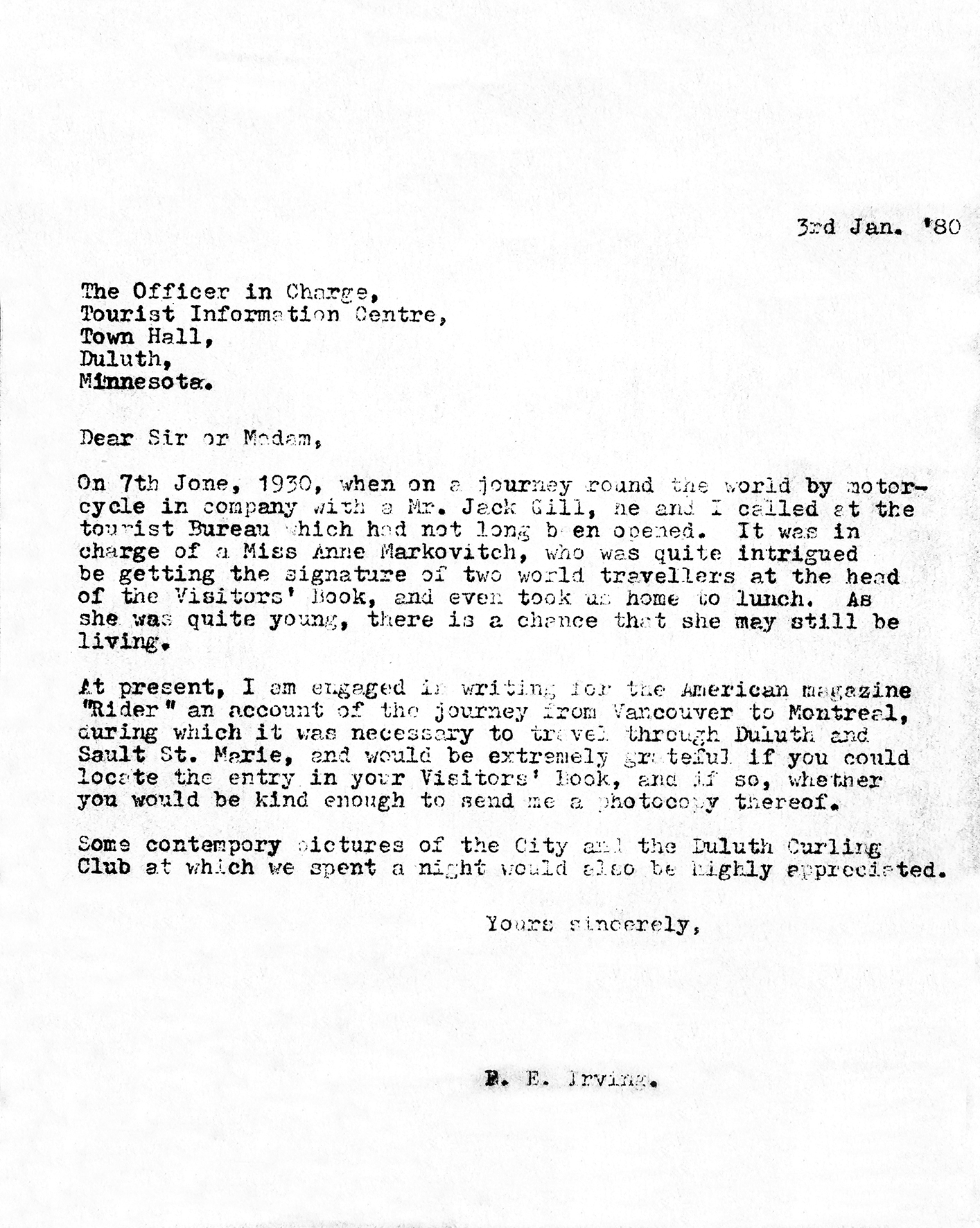
This report, handwritten with “Rider 19/1/80” in the corner, led me to search for the October 1980 issue of Rider magazine. I purchased both the September and October issues to read the full article, titled “Across Canada on Three Wheels in 1930”.
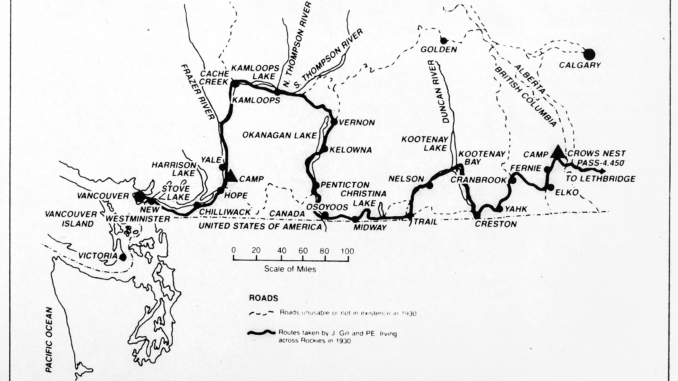
The report focuses on the cross-Canada leg of the journey. Phil describes their arrival in Vancouver, where they were greeted by a Shell representative, a British Motorcycle Club member, and a newspaper photographer. Shell supplied all their fuel and oil for free.
The journey began on May 1, with fame preceding them. A cinema manager in Chilliwack paid them $10 for a personal appearance. However, the journey was plagued with mechanical issues, including faulty pistons. They camped in harsh conditions, faced rattlesnakes, and endured broken sidecar springs and lugs.
Crossing the Rockies, they encountered treacherous roads and bitter cold. In Moose Jaw, they were welcomed by the Moose Jaw Throttle Twisters, who tested their single-cylinder bike in a tug-of-war against a Harley twin.
The journey continued through Minnesota, Wisconsin, and into Canada at Sault Sainte Marie. After more mechanical failures and a misunderstanding that led to Jack’s brief imprisonment, they finally reached Montreal. There, they were met by the local Sports Motorcycle Club, a Shell representative, and a British Consul Cigarettes rep, who gifted them pipes, tobacco, and cigarettes.
On June 27, they sailed from Montreal on the Athenia, arriving in Liverpool on July 5, almost unnoticed.
Phil Irving’s journey was incredible and meticulously documented. The humble manila folder I received was a snapshot of history that led me on my own journey of discovery. It offered a glimpse into the life of a man who followed his dreams. Though Phil is gone, his prolific documentation ensures that we can still relive his incredible journey through the words he left behind.